

Water butt connectors for practical rainwater storage
A water butt is a simple way to collect rainwater for watering plants and other outdoor jobs, but the right fittings determine how useful that stored water becomes. With suitable water butt connectors, you can create an outlet, attach a hose, control the flow or join two water butts to increase the amount of rainwater available.
Picraft’s Water Butt Connectors collection is extensive, with hundreds of products covering tank connectors, quick-connect kits, linking hose, valves, splitters, MDPE fittings and accessories in a range of sizes. The current collection includes ½-inch, ¾-inch and 1-inch BSP connections alongside options for micro-irrigation and larger pipe systems.
The best product depends on what you want the water butt to do. A simple hose connector may be enough for occasional garden watering, while a larger system may need a valve, pipe fitting or link between several containers.
Connect two water butts to increase storage
When one water butt does not provide enough capacity, linking another container can increase the amount of rainwater you can collect without replacing the original butt. For much larger volumes, some gardeners use an IBC instead, and our IBC tank fittings adapt its outlet for hoses and pipework.
Picraft’s 1.25-inch (32 mm) Water Butt Linking Kit is designed to create a connection between water storage tanks. The set includes flexible corrugated pipe, two BSP-to-barb fittings, washers, and nuts for the tank wall, and two double-wire hose clips. Length options currently run from 1 m to 30 m, giving you flexibility when deciding where to position the containers.
The corrugated PVC hose is flexible enough to route around obstacles while its ribbed exterior helps the clips hold it securely in place. Picraft also describes the pipe as UV resistant, with a smoother internal bore designed to maintain water flow.
When connecting two water butts, plan the position before you cut any holes. Check the height of the connection points, the distance between the containers and the length of pipe required. Avoid forcing a short hose between two fittings, as unnecessary tension can place stress on the connectors and tank wall.
The stand or base beneath each water butt also matters. Water is heavy, so ensure the surface and any stand used are suitable for the filled weight and capacity of the container. The connection should not be expected to support the weight of the tank itself.
Add a hose connector to your water butt
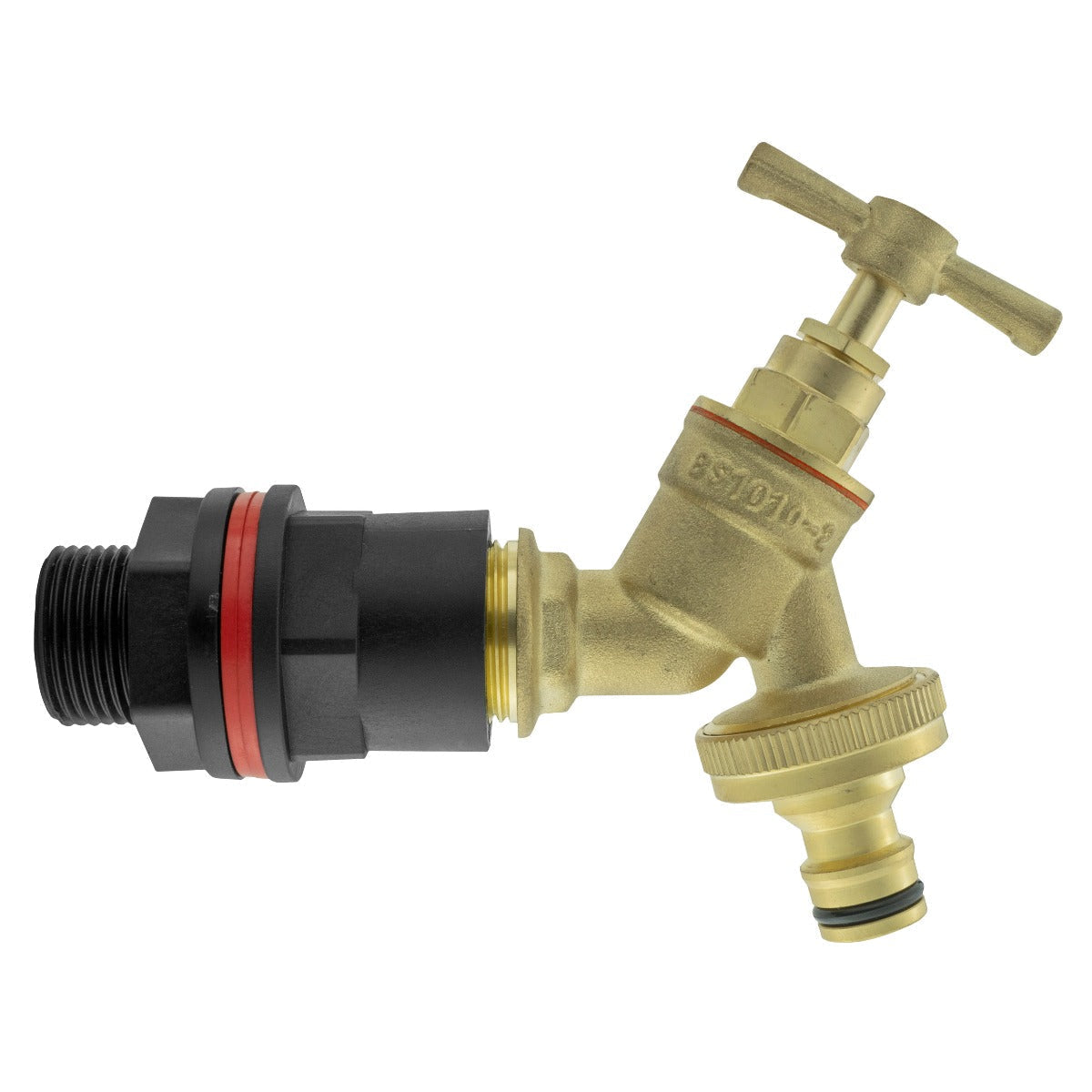
If the main aim is to use stored rainwater around the garden, a quick-connect outlet provides a convenient way to attach a hose.
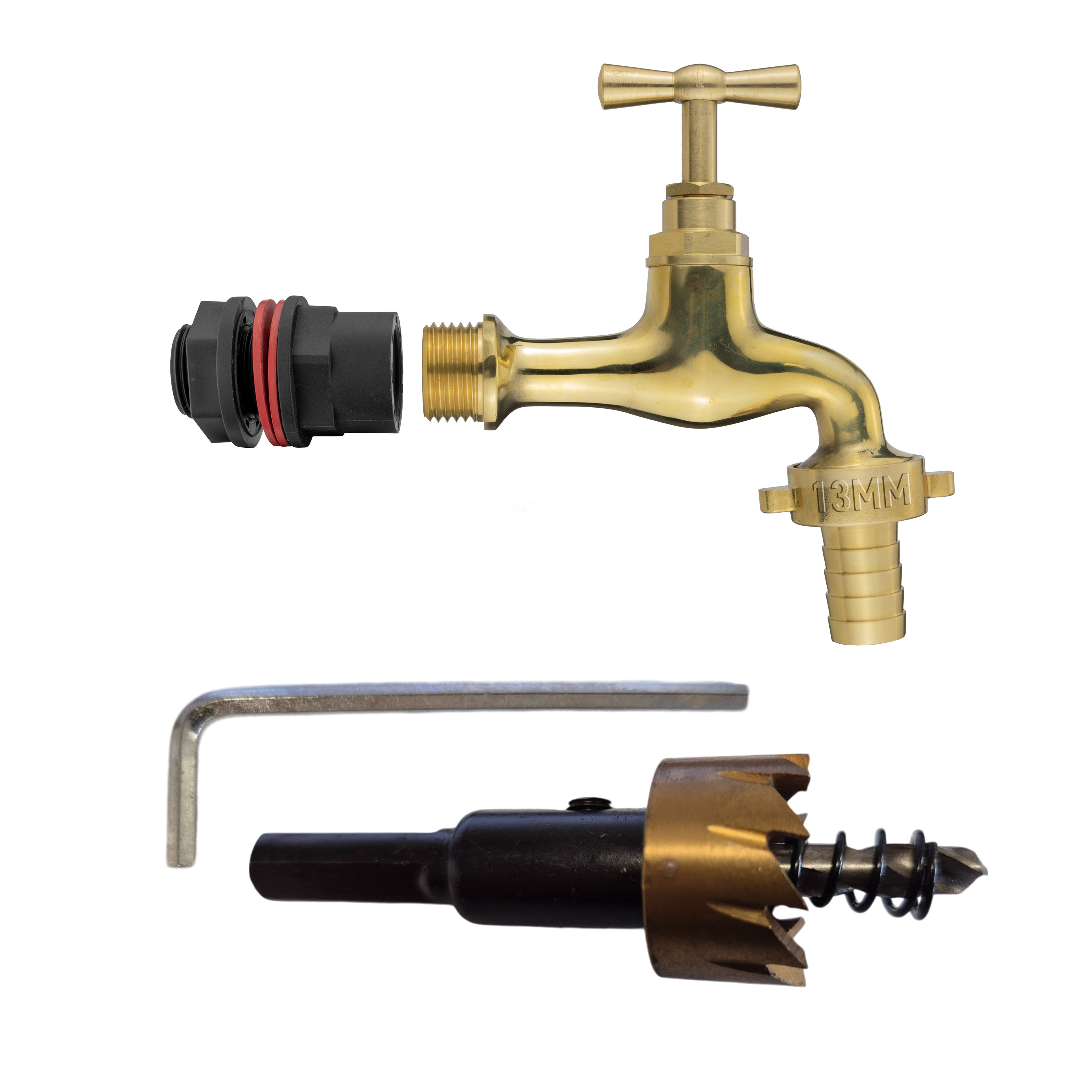
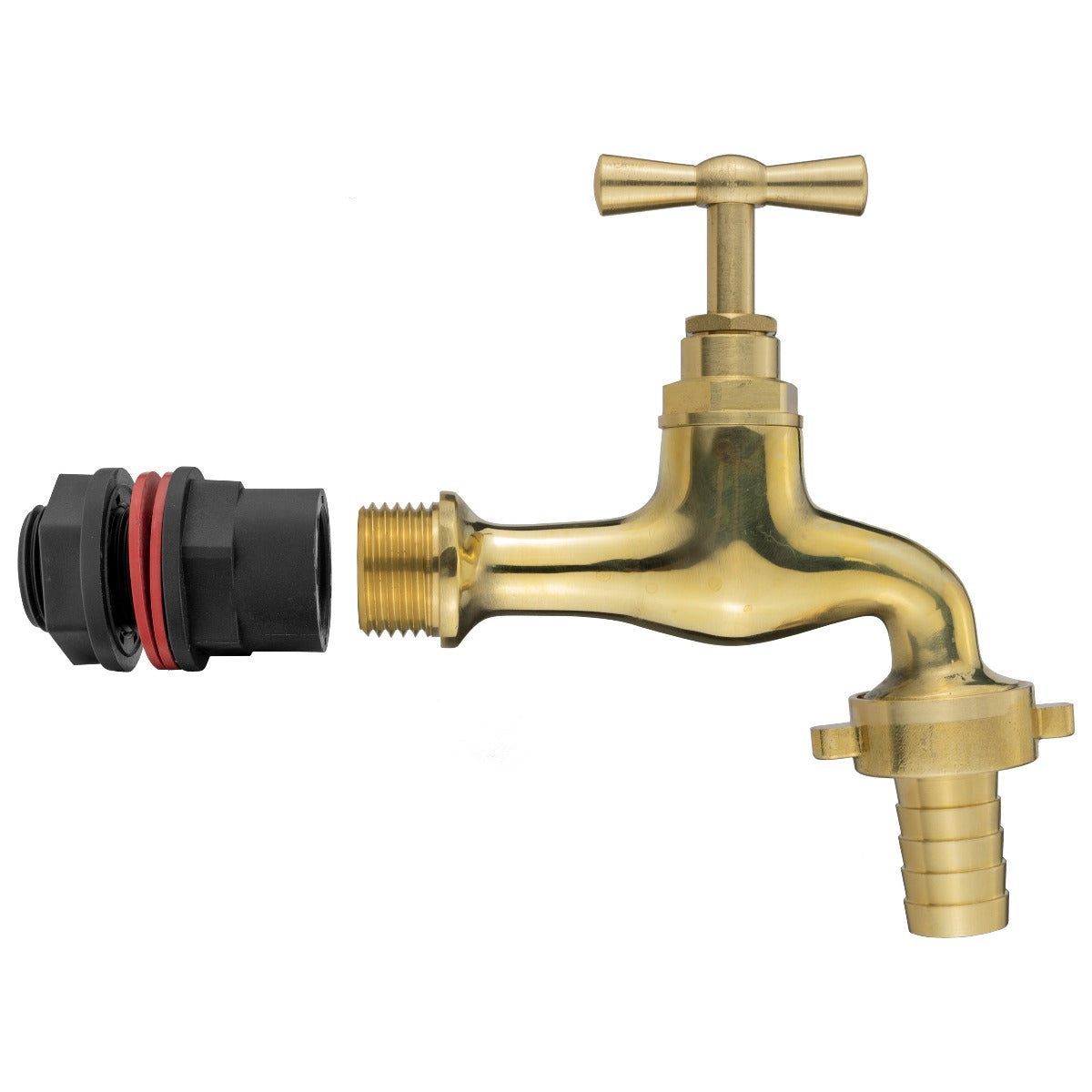
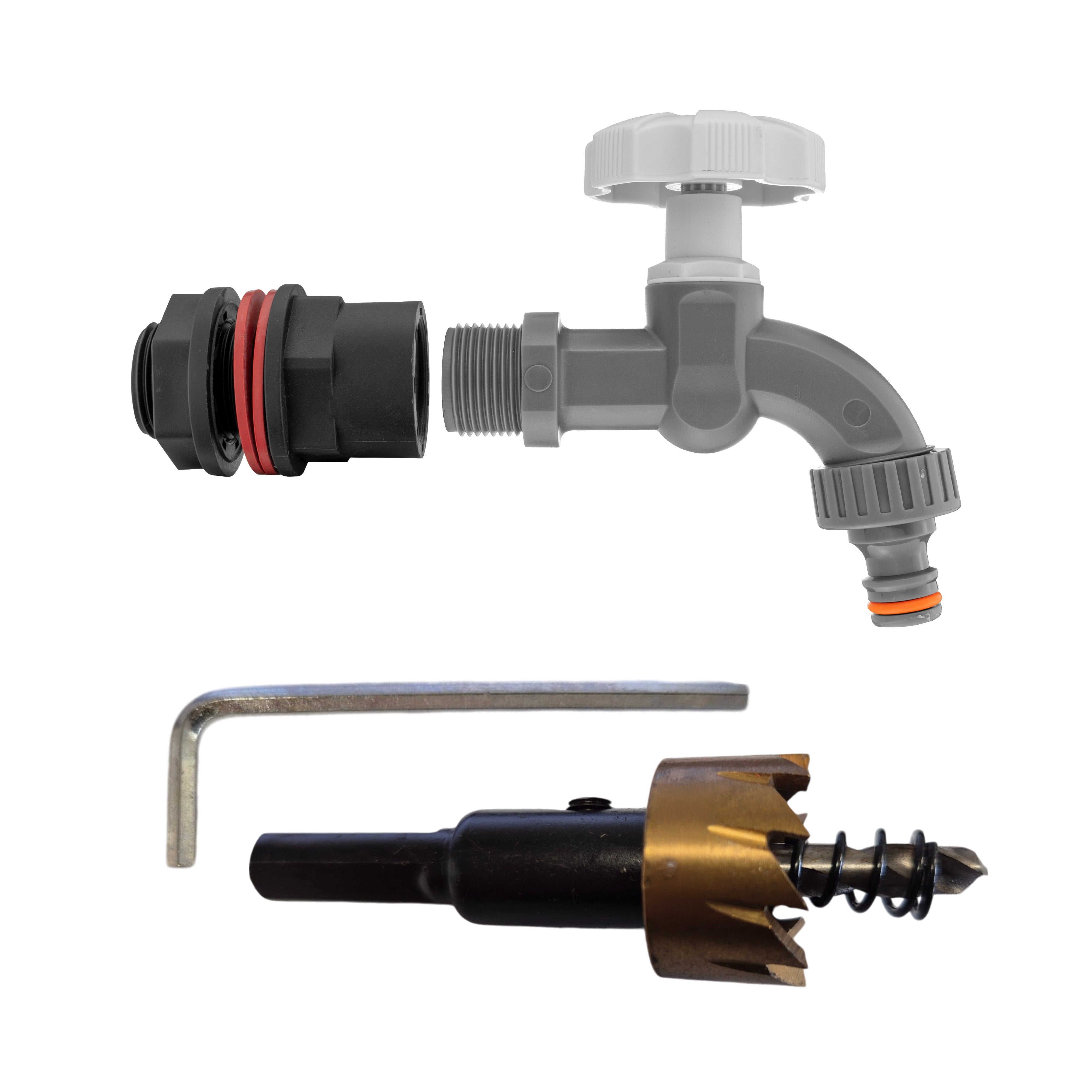
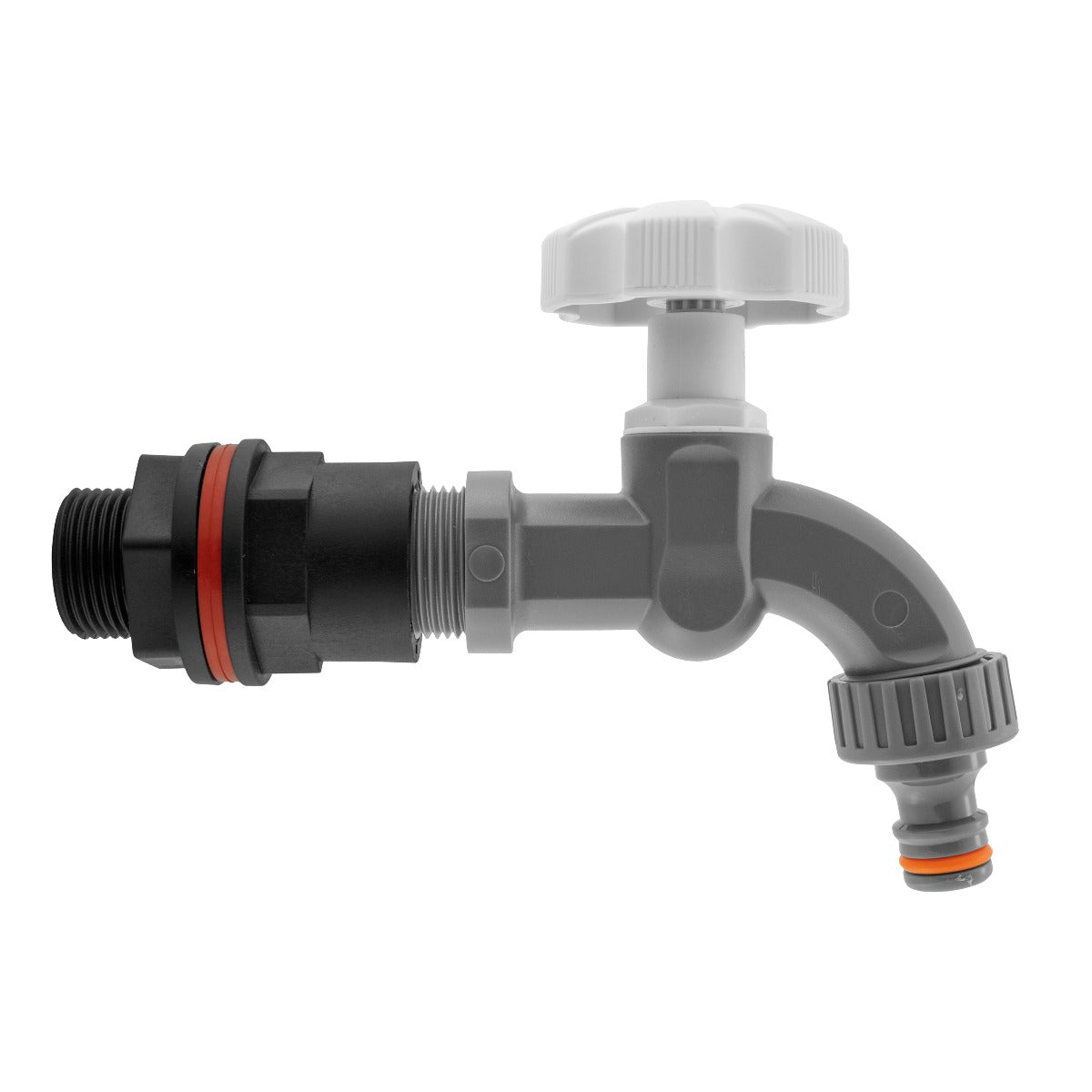
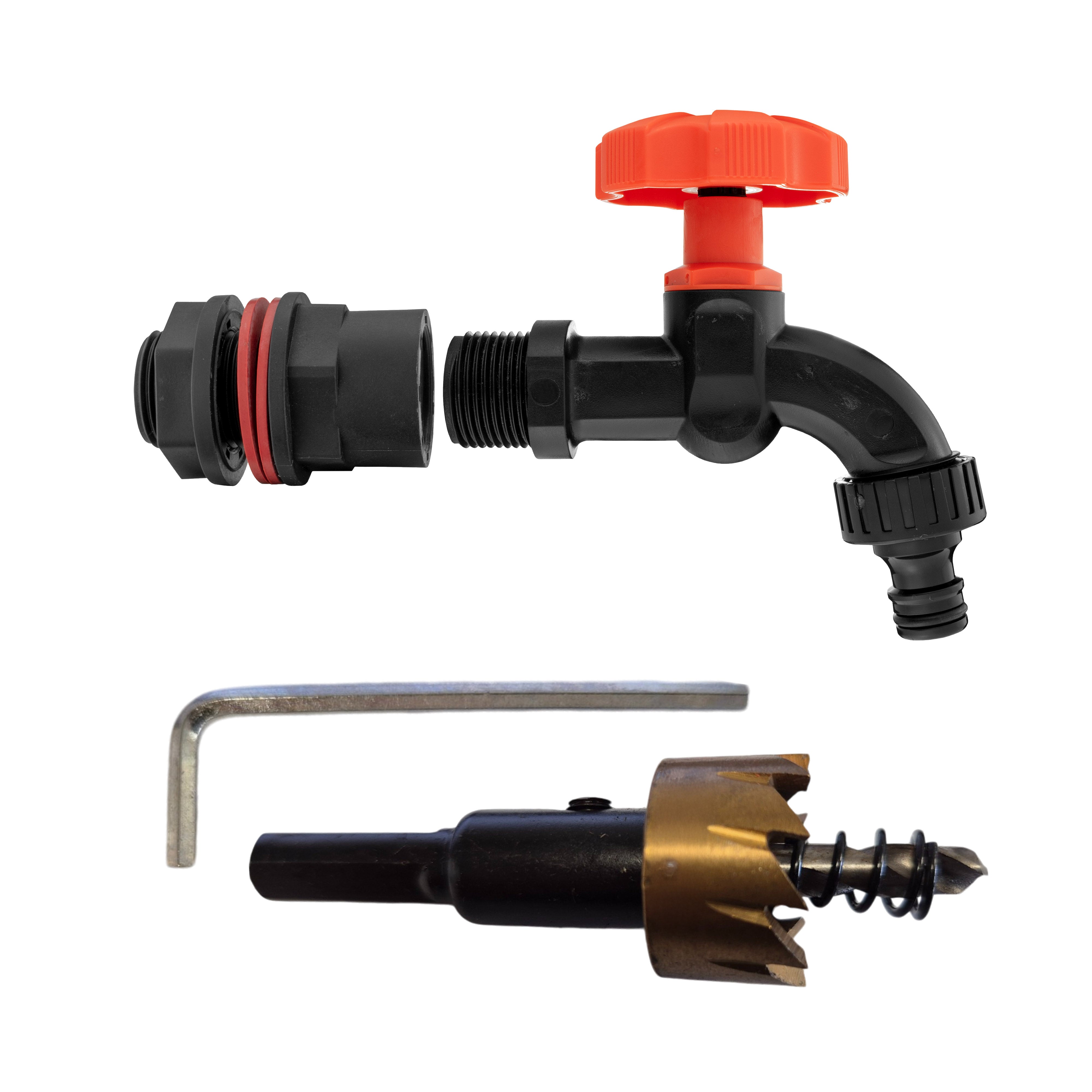
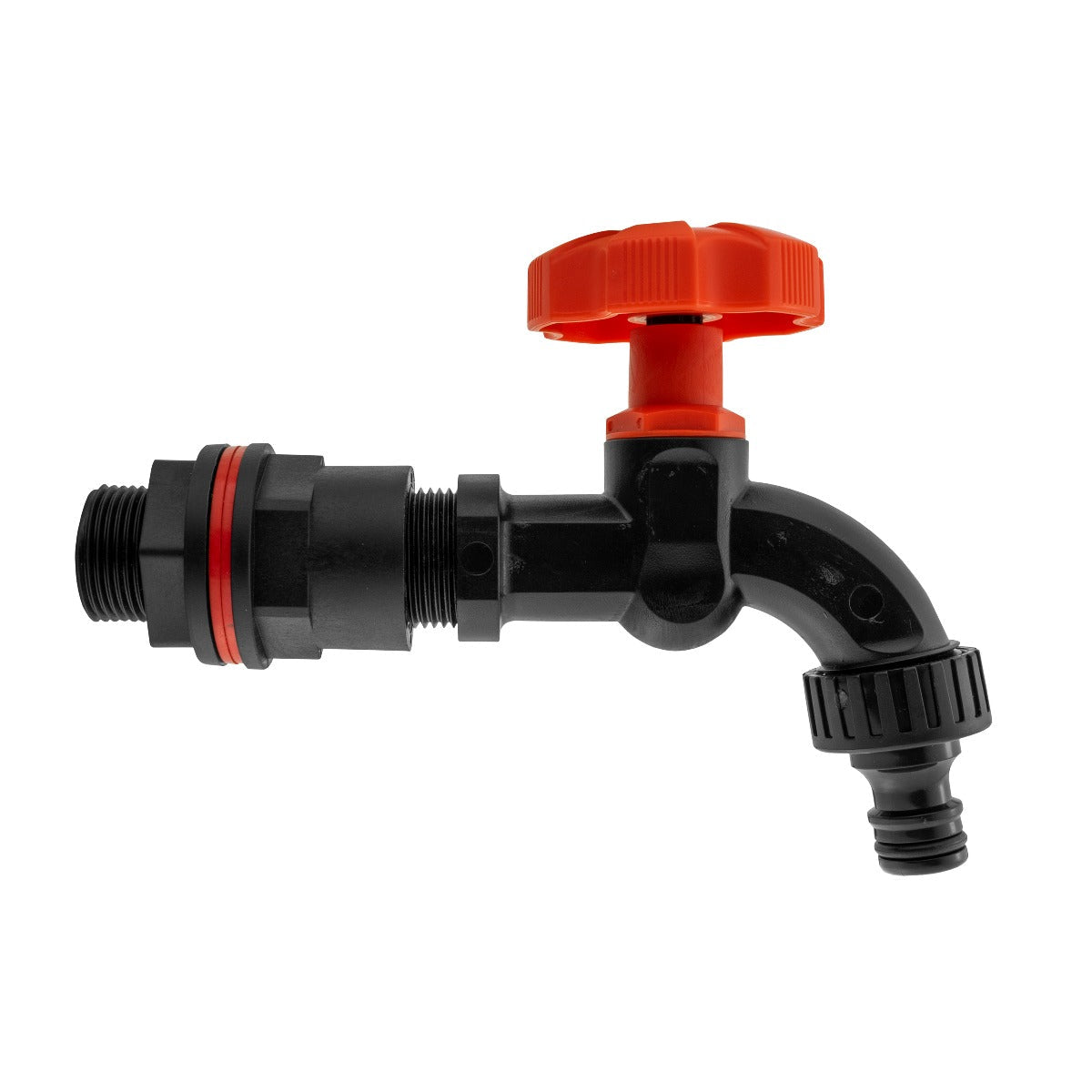
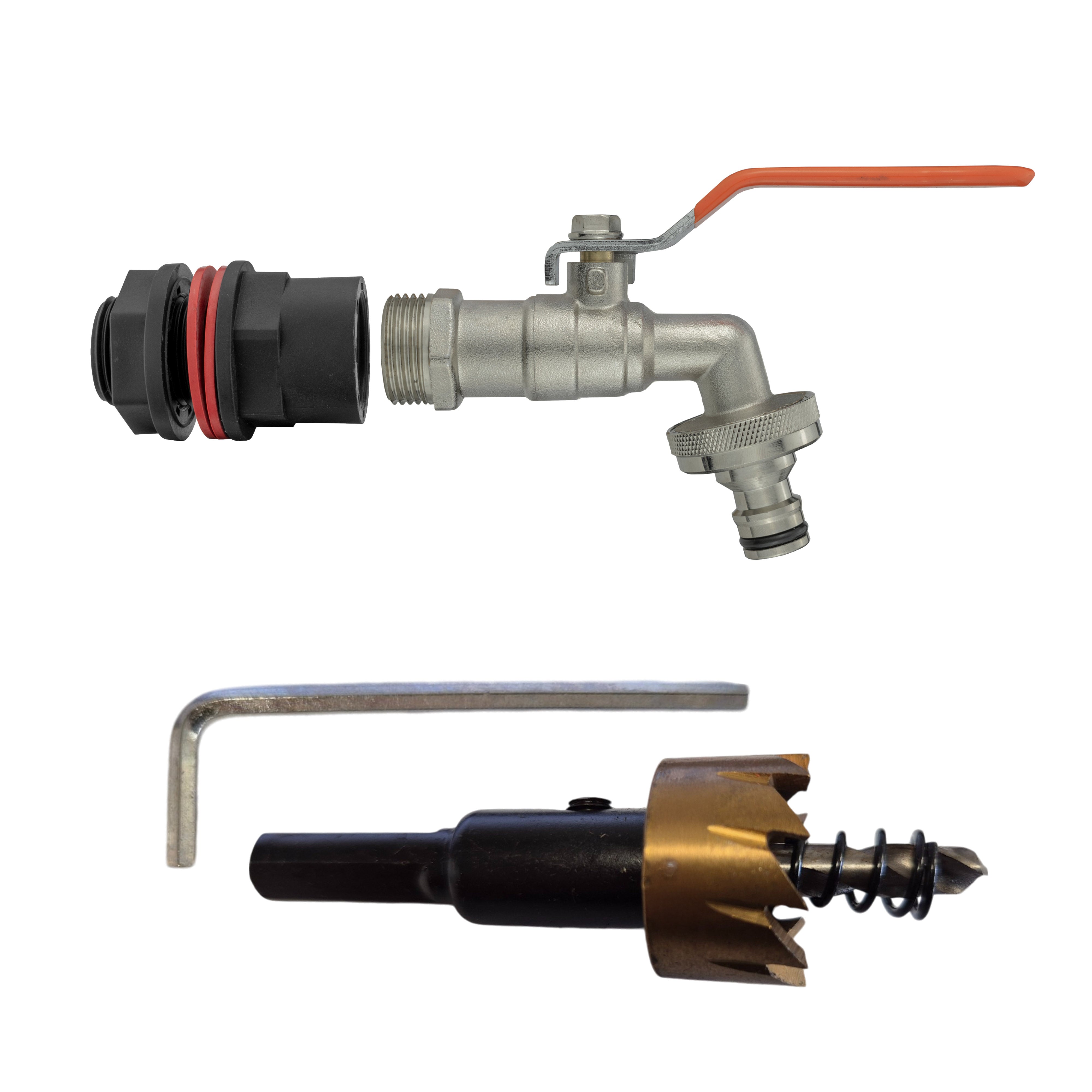
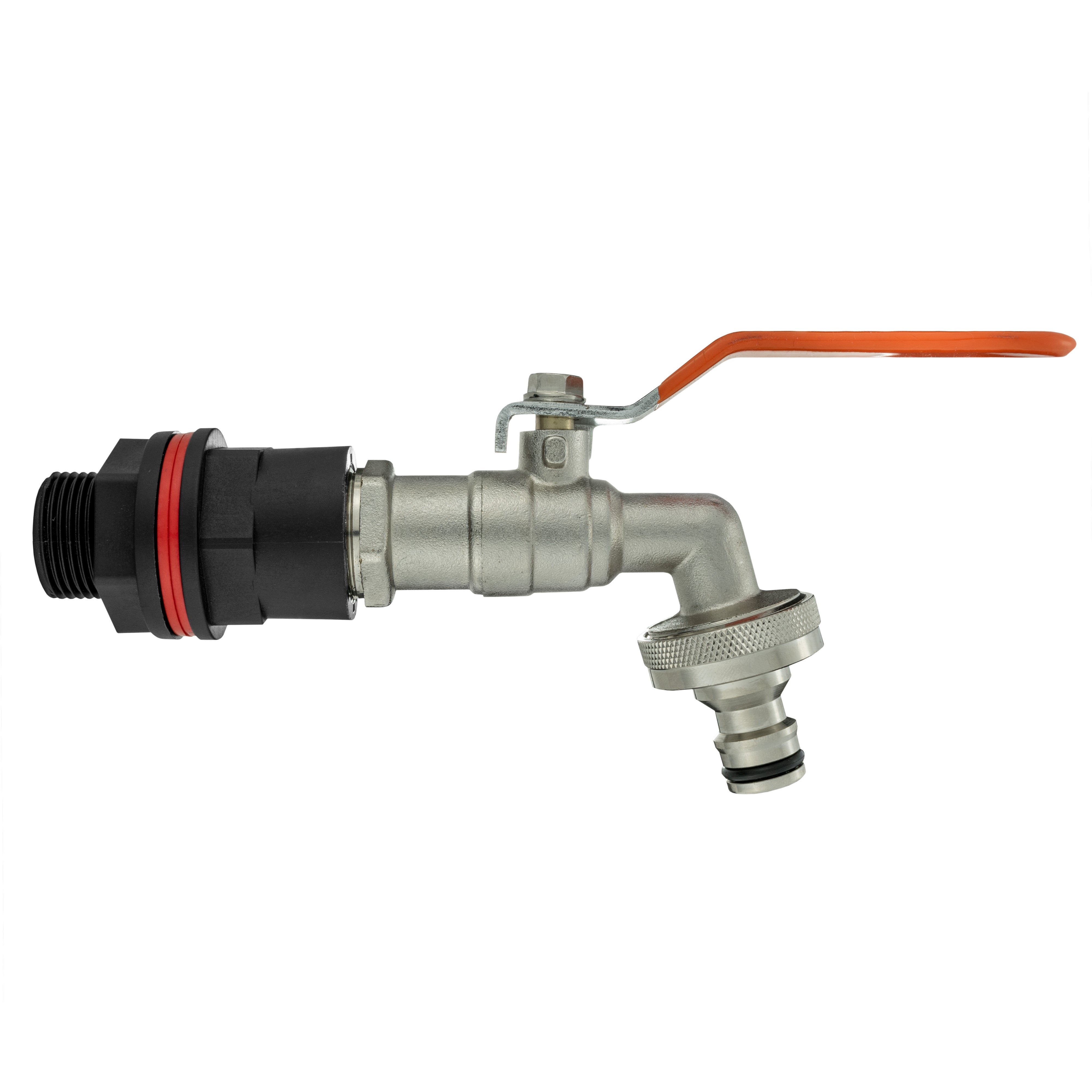
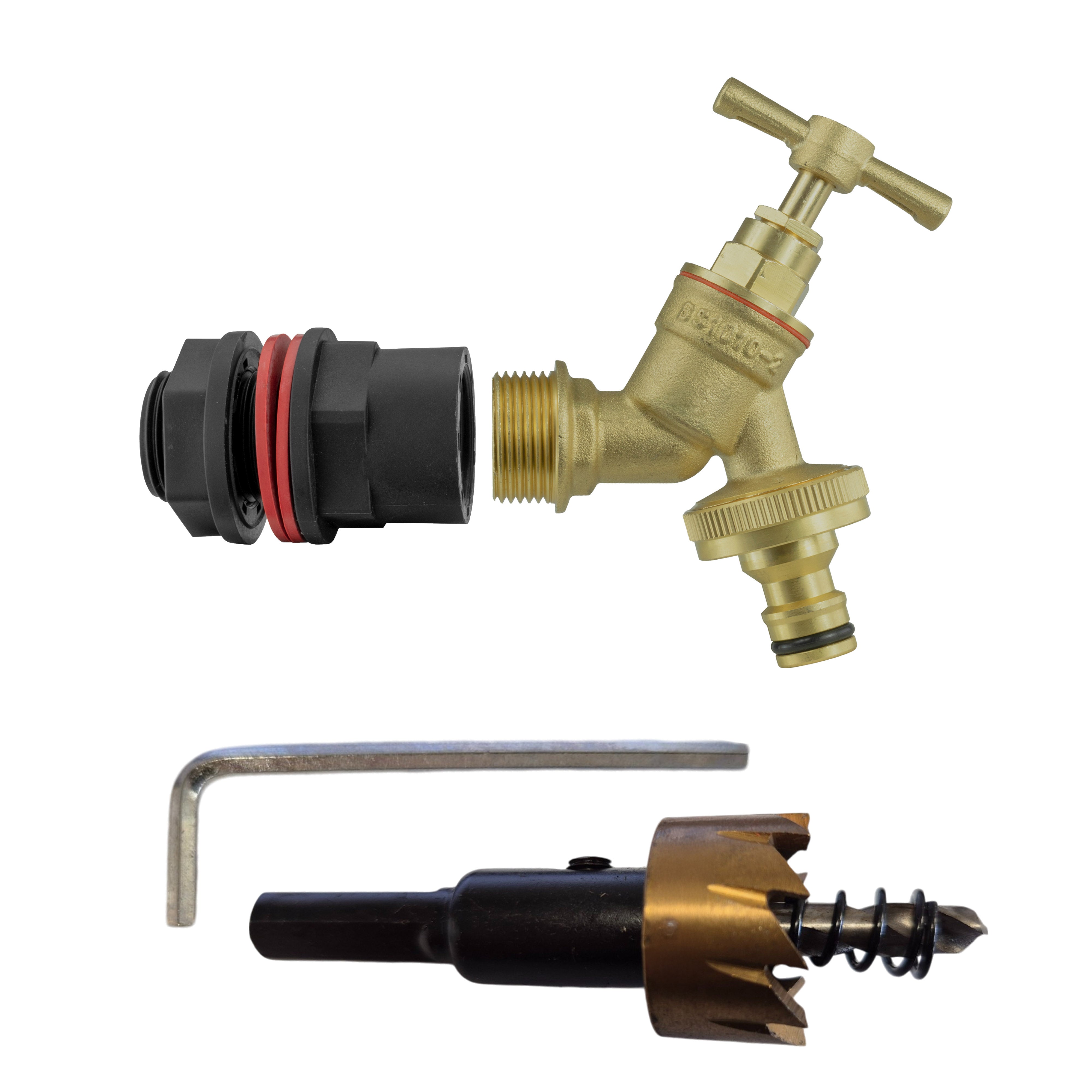
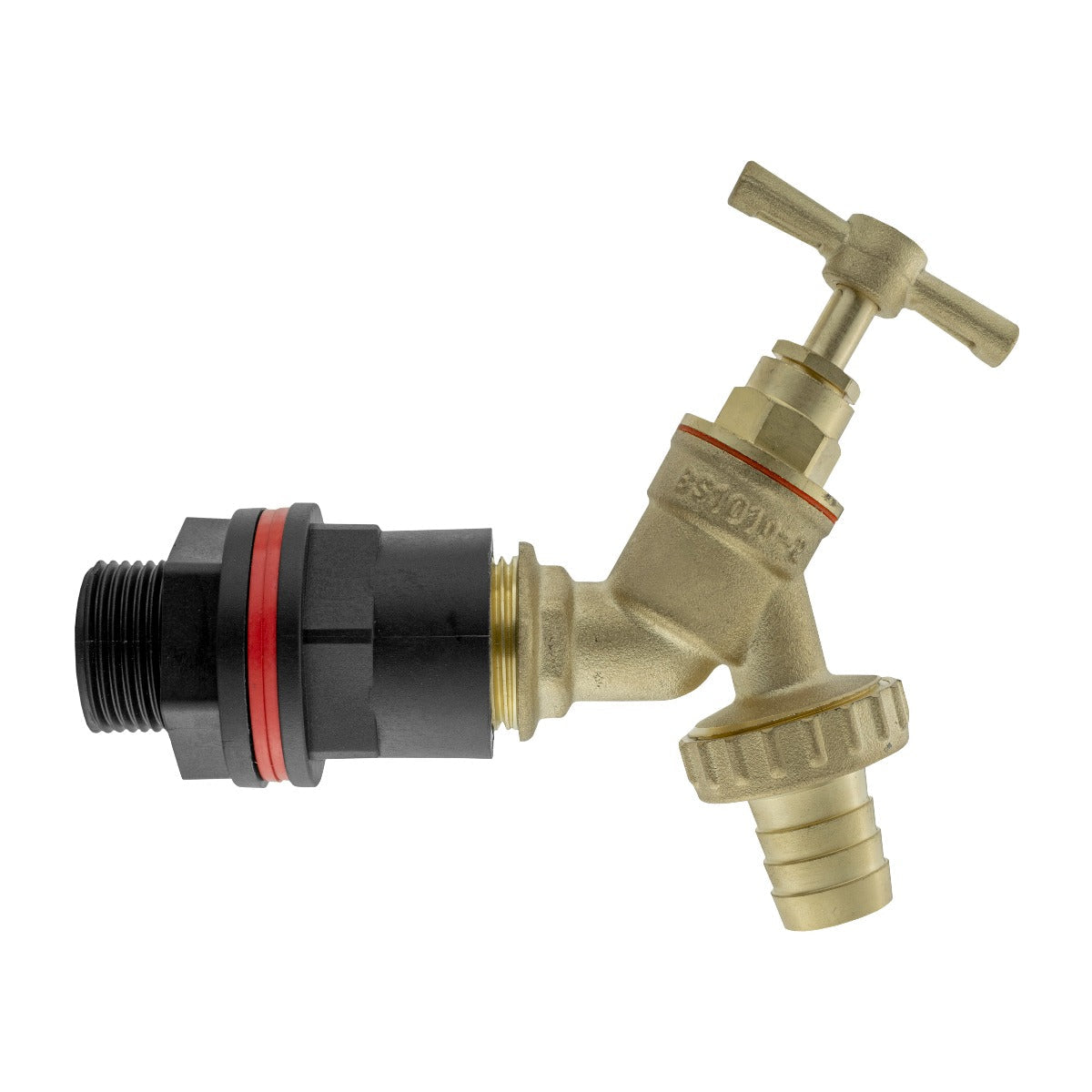
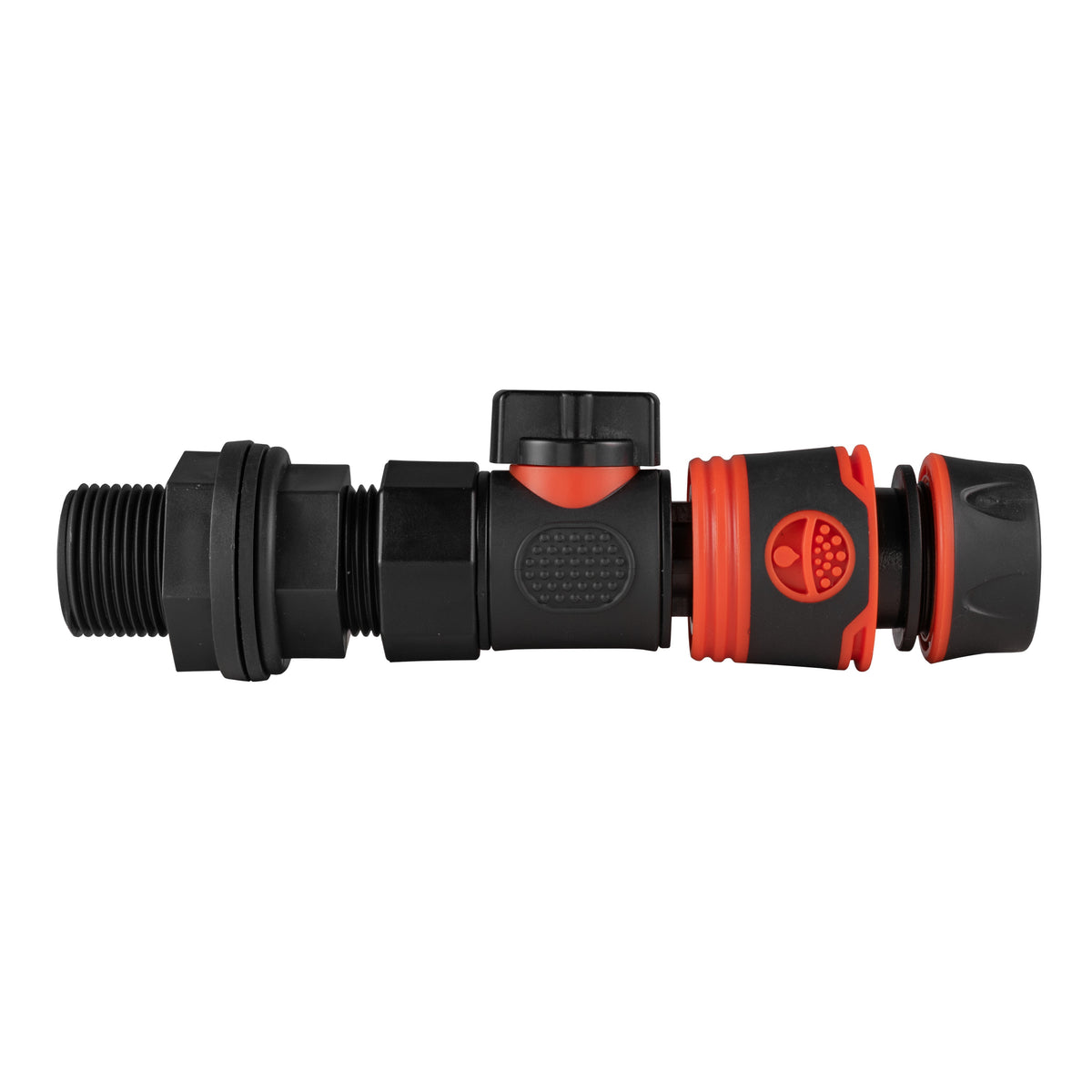
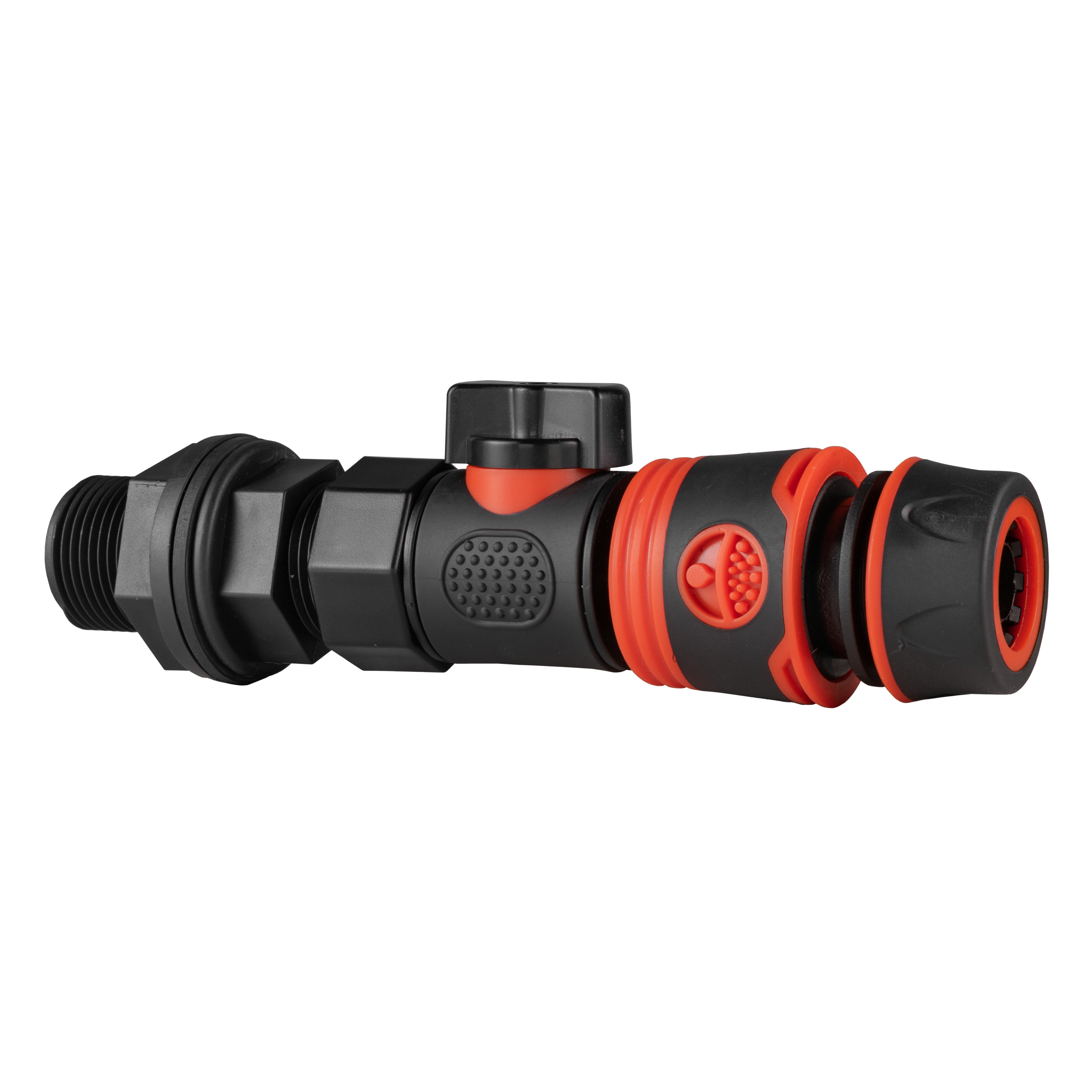
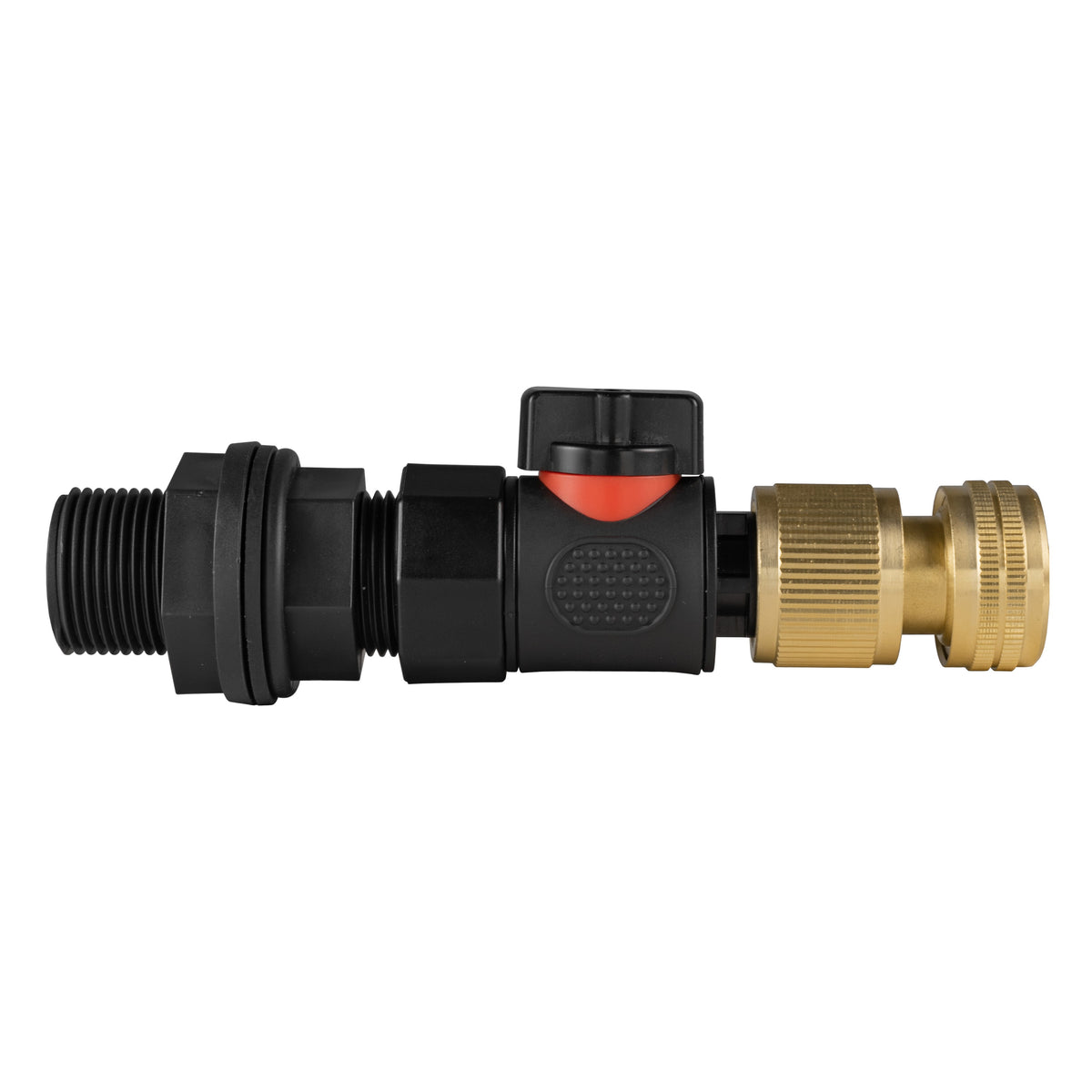
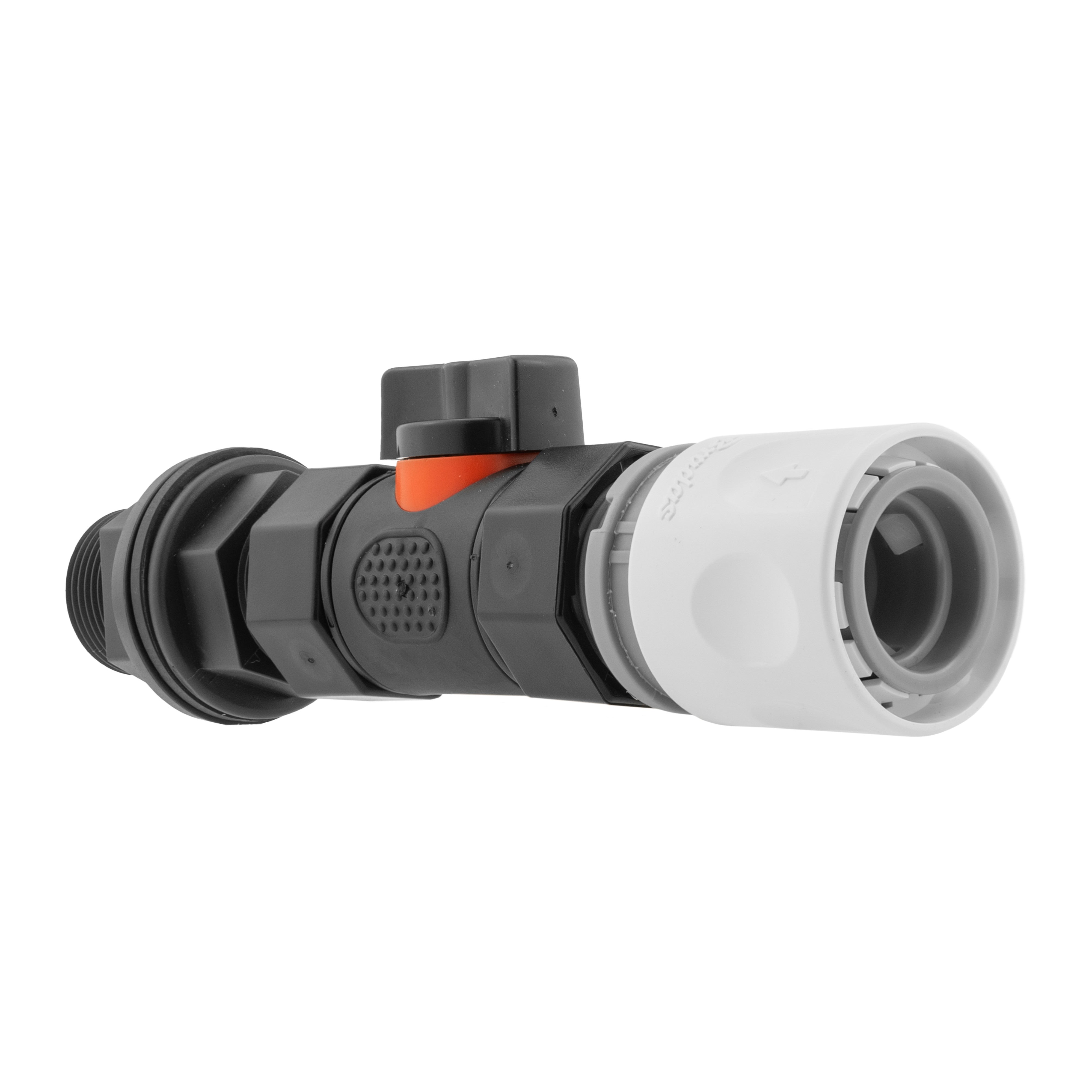
Picraft stocks a ½-inch BSPM Water Butt Kit supplied with a tank connector, washer, and nut plus a matching female tap connector. The tap connector uses a click-lock outlet, allowing a compatible hose to be attached and removed without repeatedly unscrewing fittings.
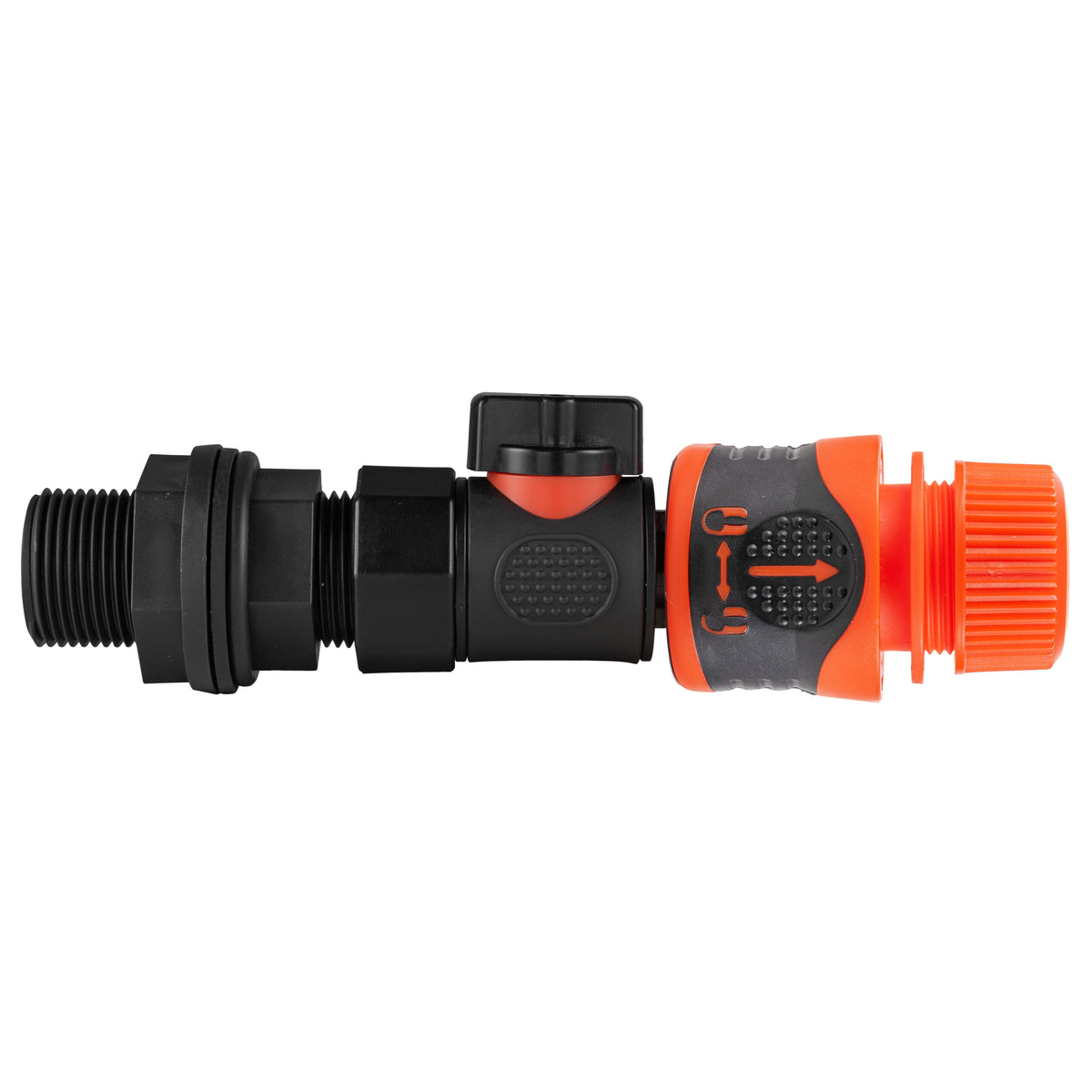
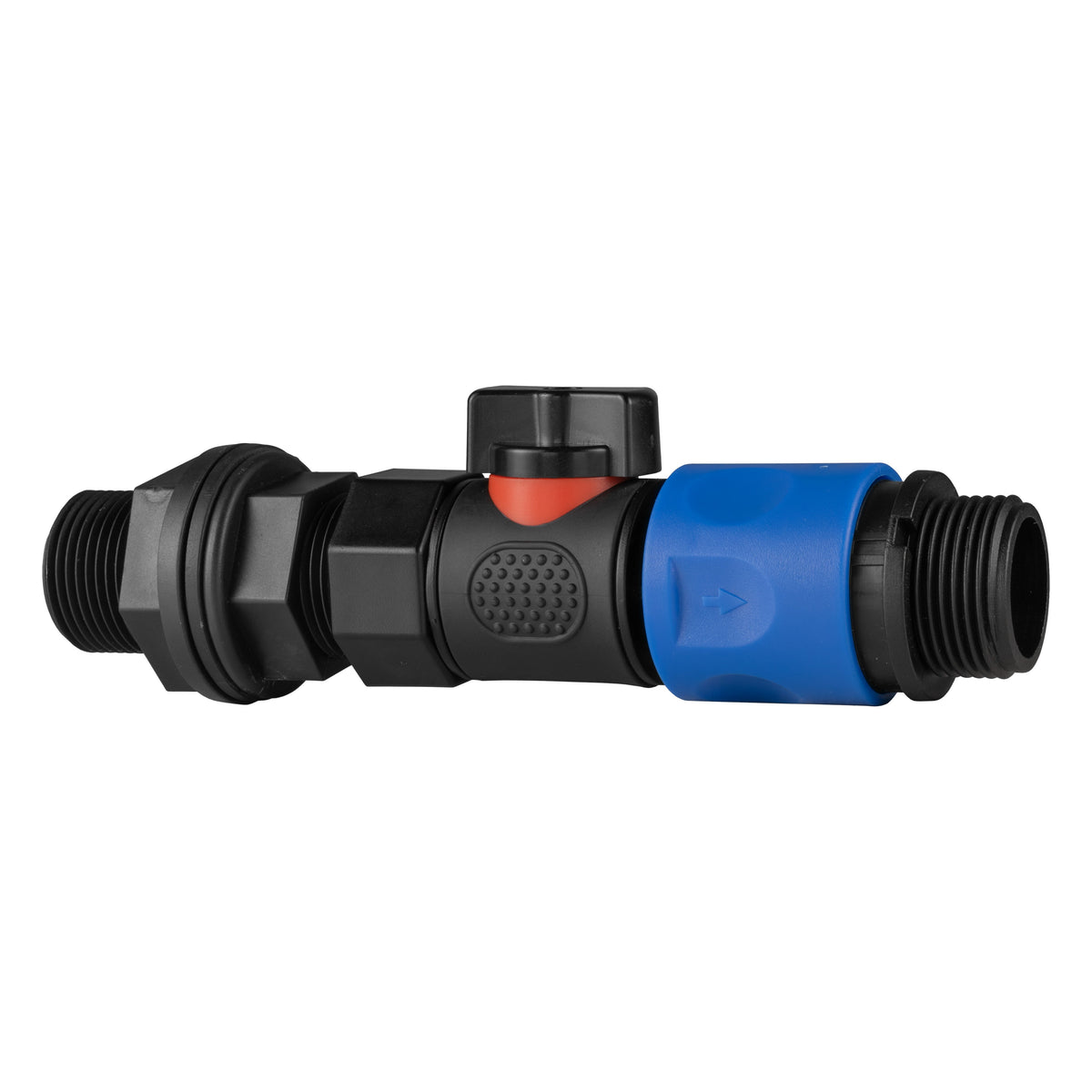
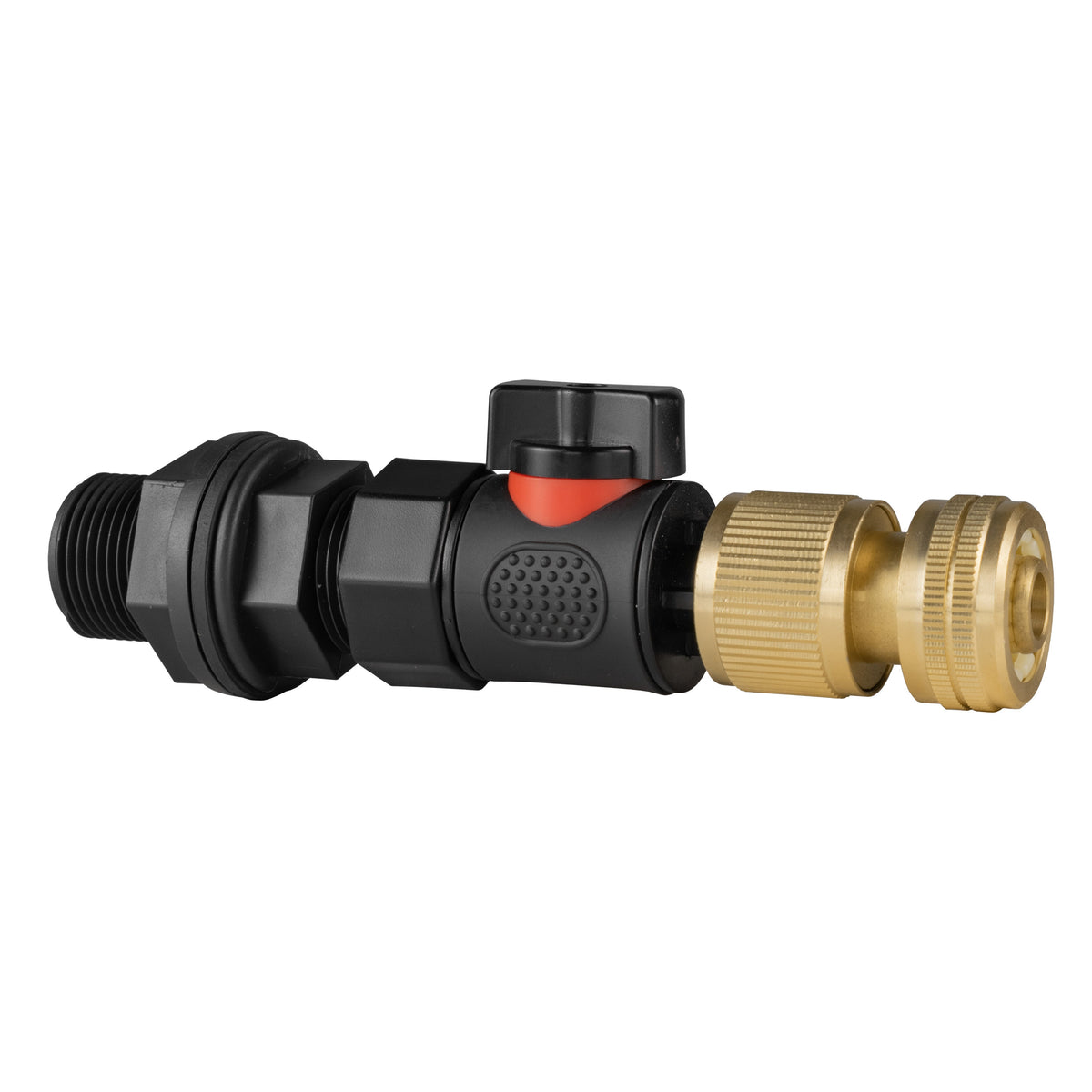
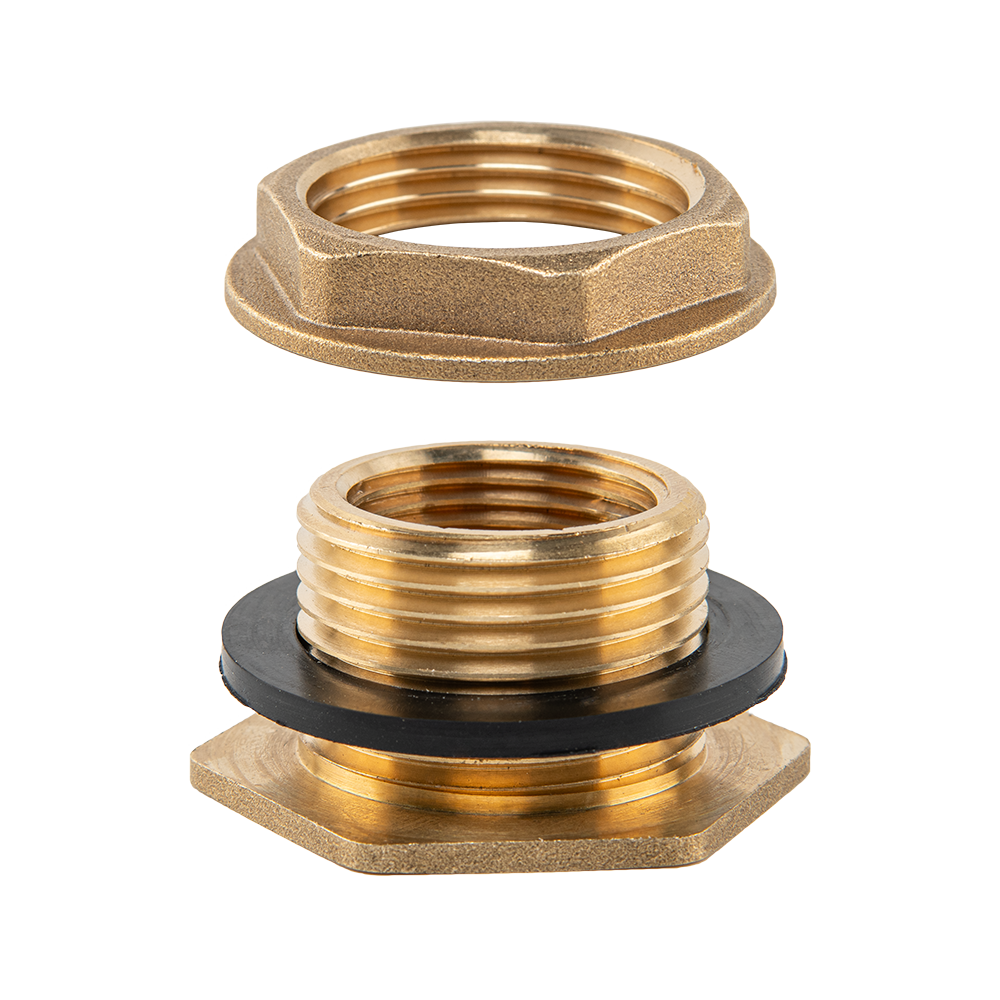
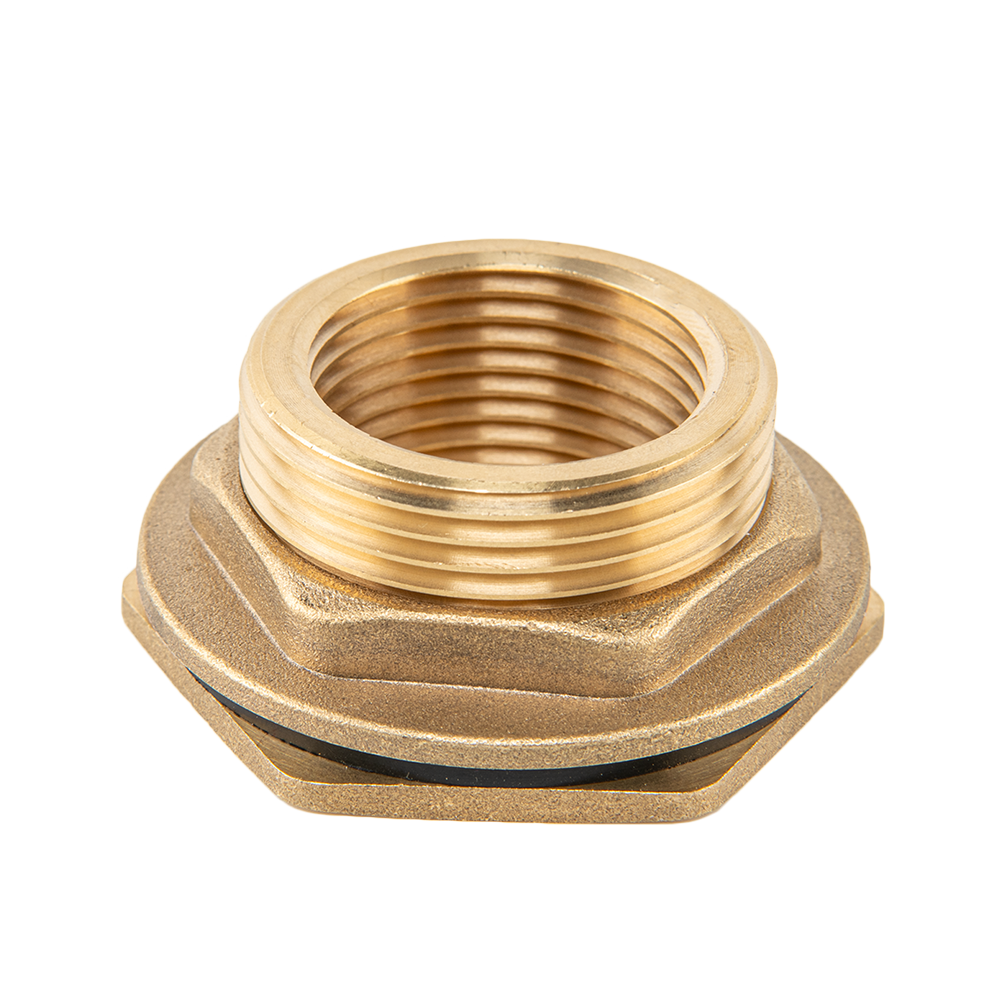
There are also ¾-inch options. One current kit combines a ¾-inch BSP water butt connector with a quick-connect tap adaptor and a connector designed for ½-inch hose. For containers that already have a suitable female thread, the fitting can be screwed into position. Where no thread exists, the product description states that a hole can be created and the fitting secured using its back nut and washers.
This type of setup is useful when collected rainwater is used to water plants, wash garden tools or handle other outdoor cleaning jobs. Instead of filling watering cans individually from the top of the butt, you can connect a suitable hose directly to the outlet.
Control water flow with a valve or splitter
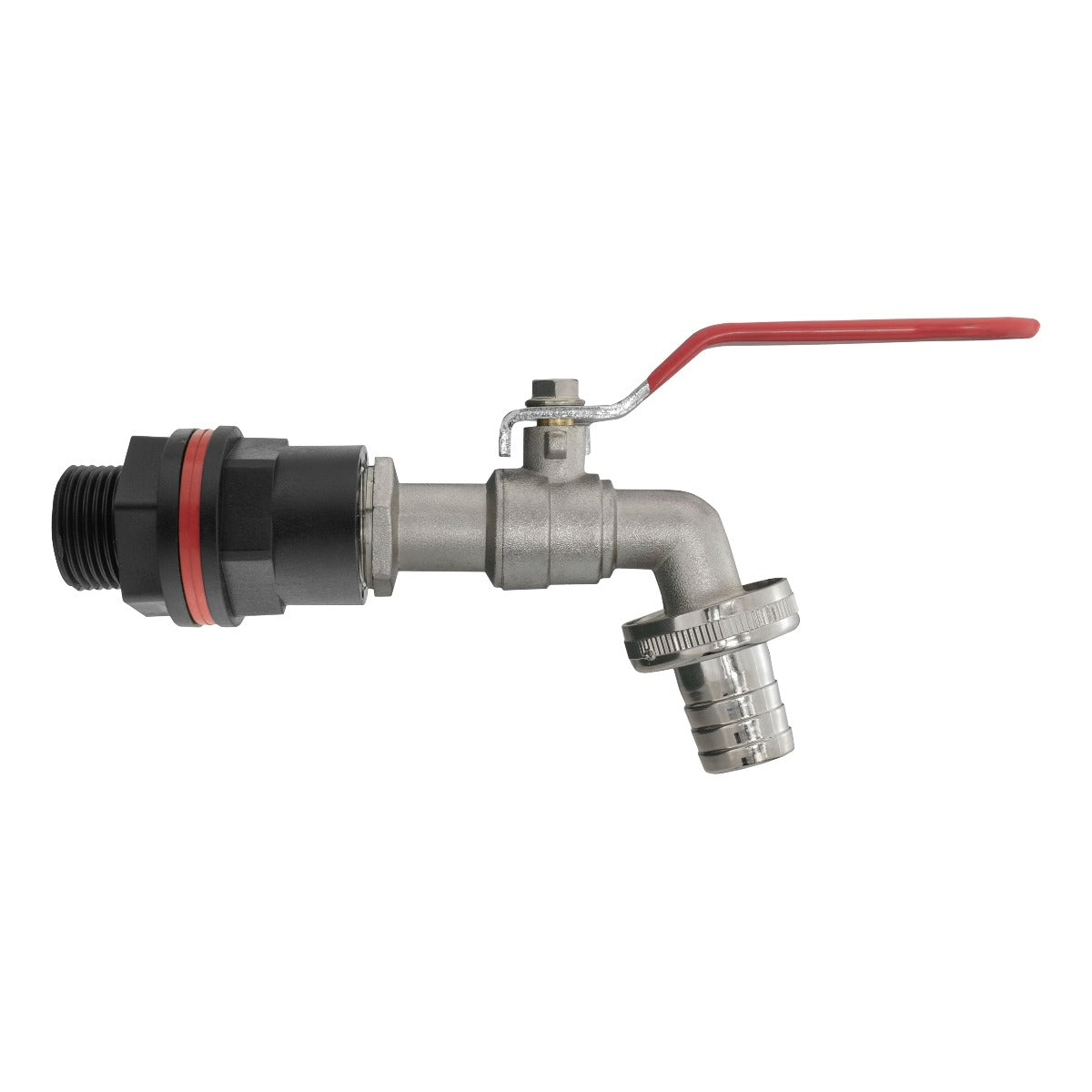
An outlet does not always need to be permanently open. Picraft offers water butt fittings that incorporate valves, giving you direct control over the flow.
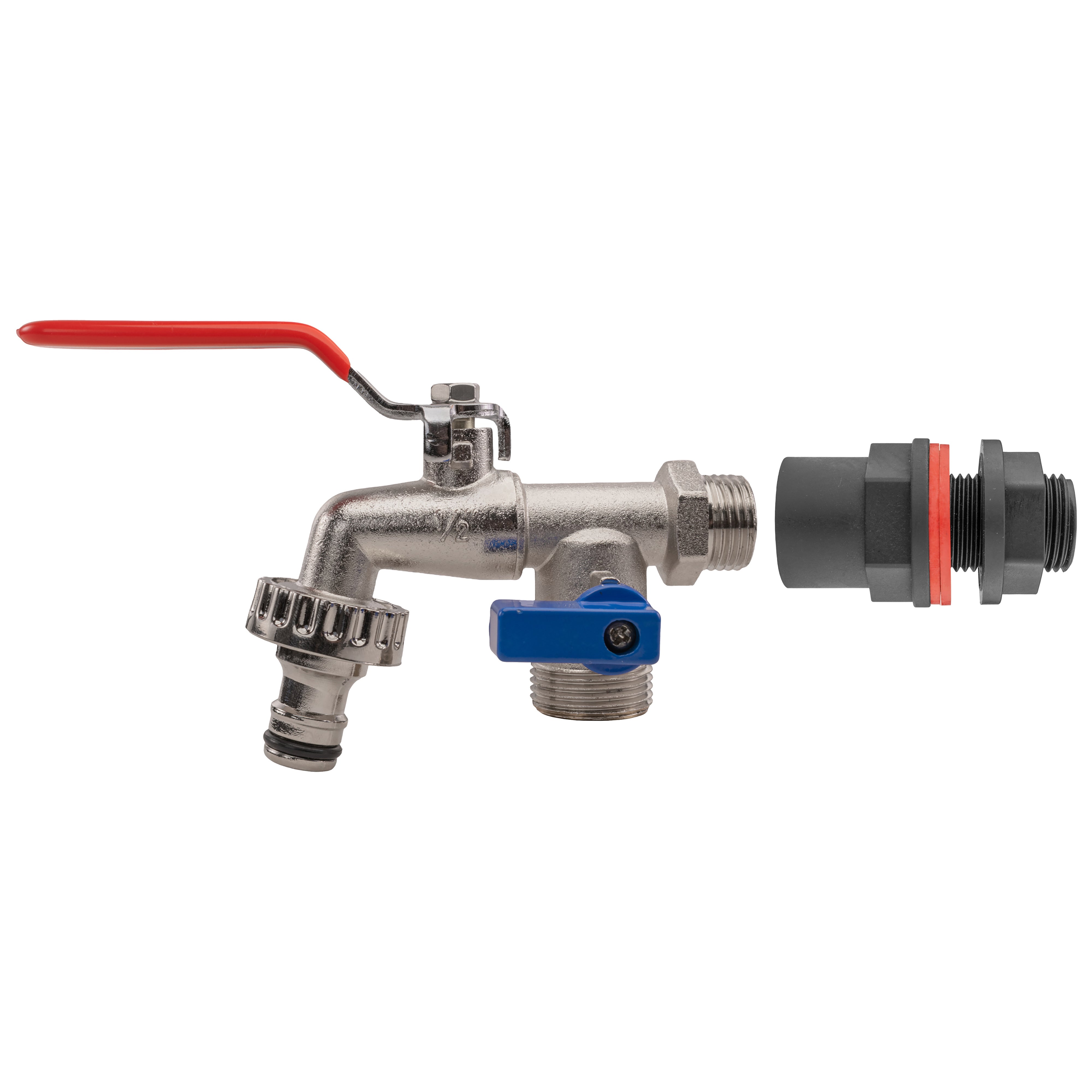
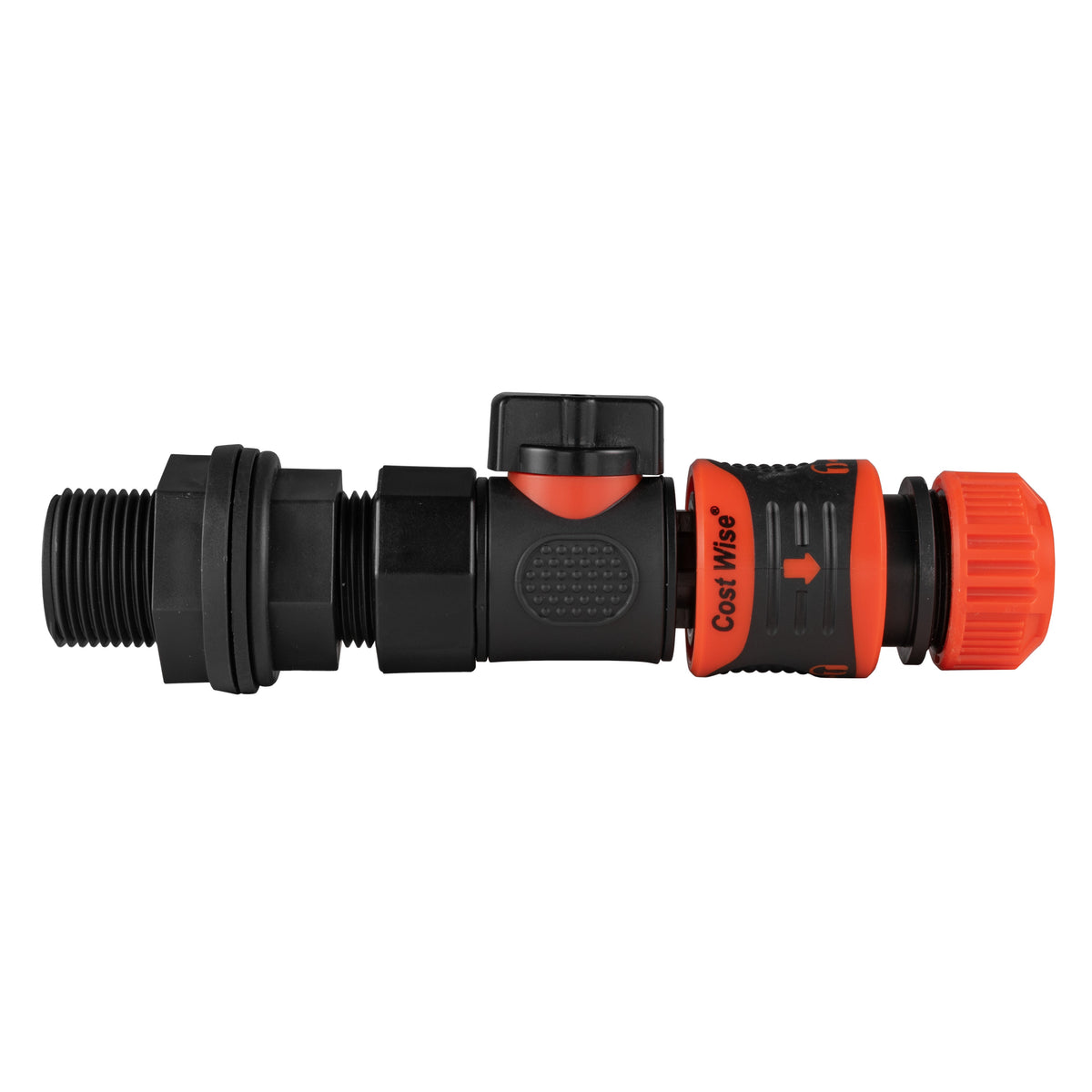
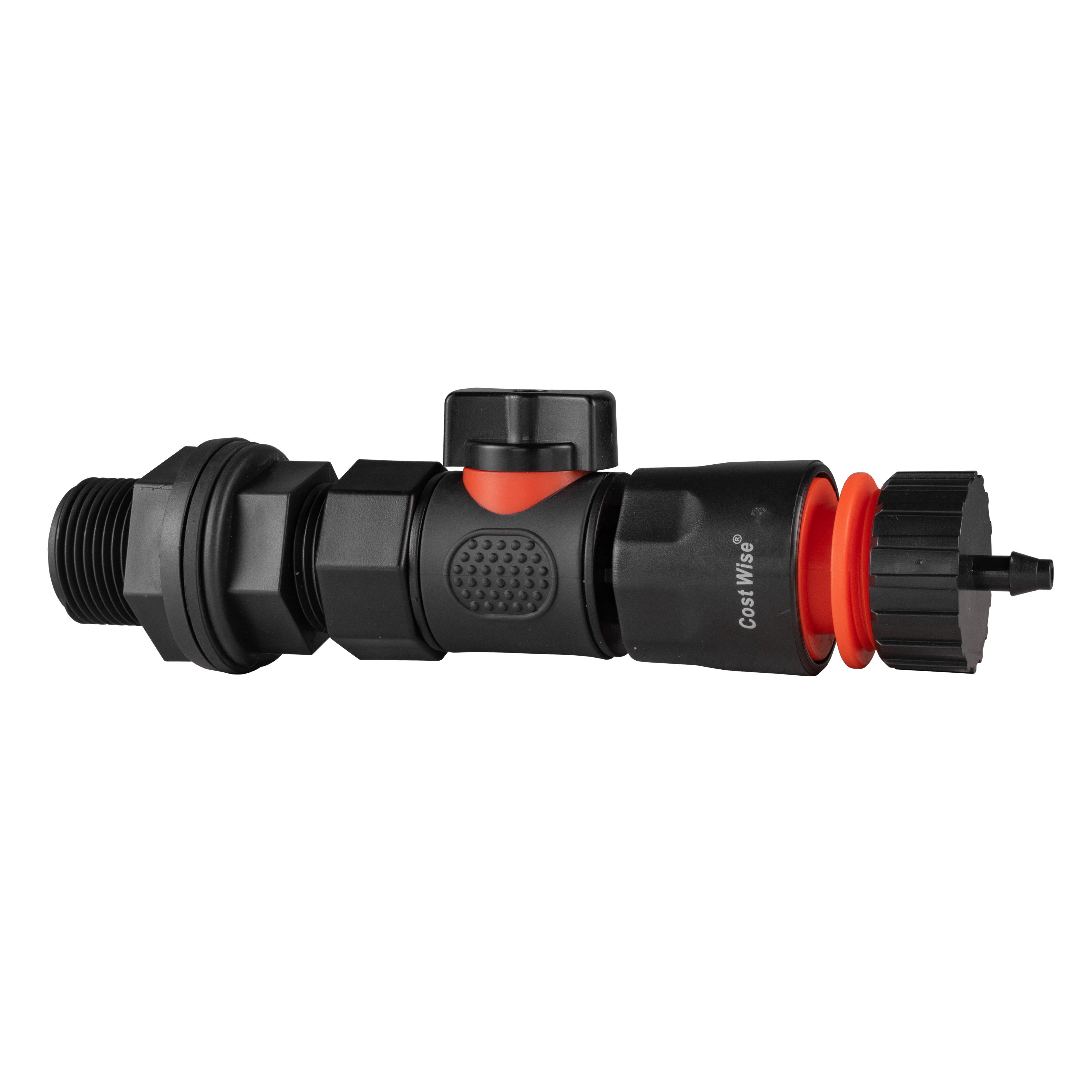
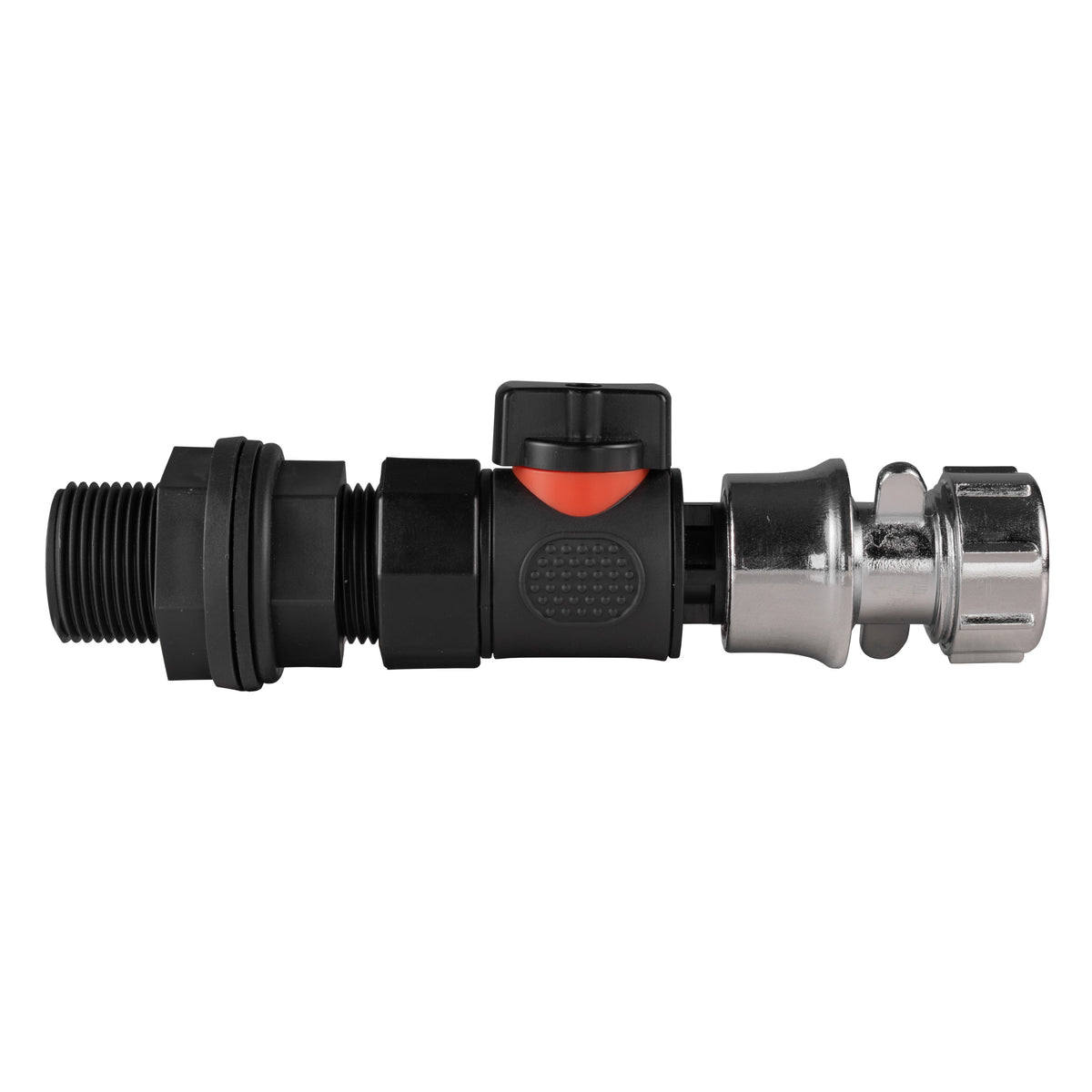
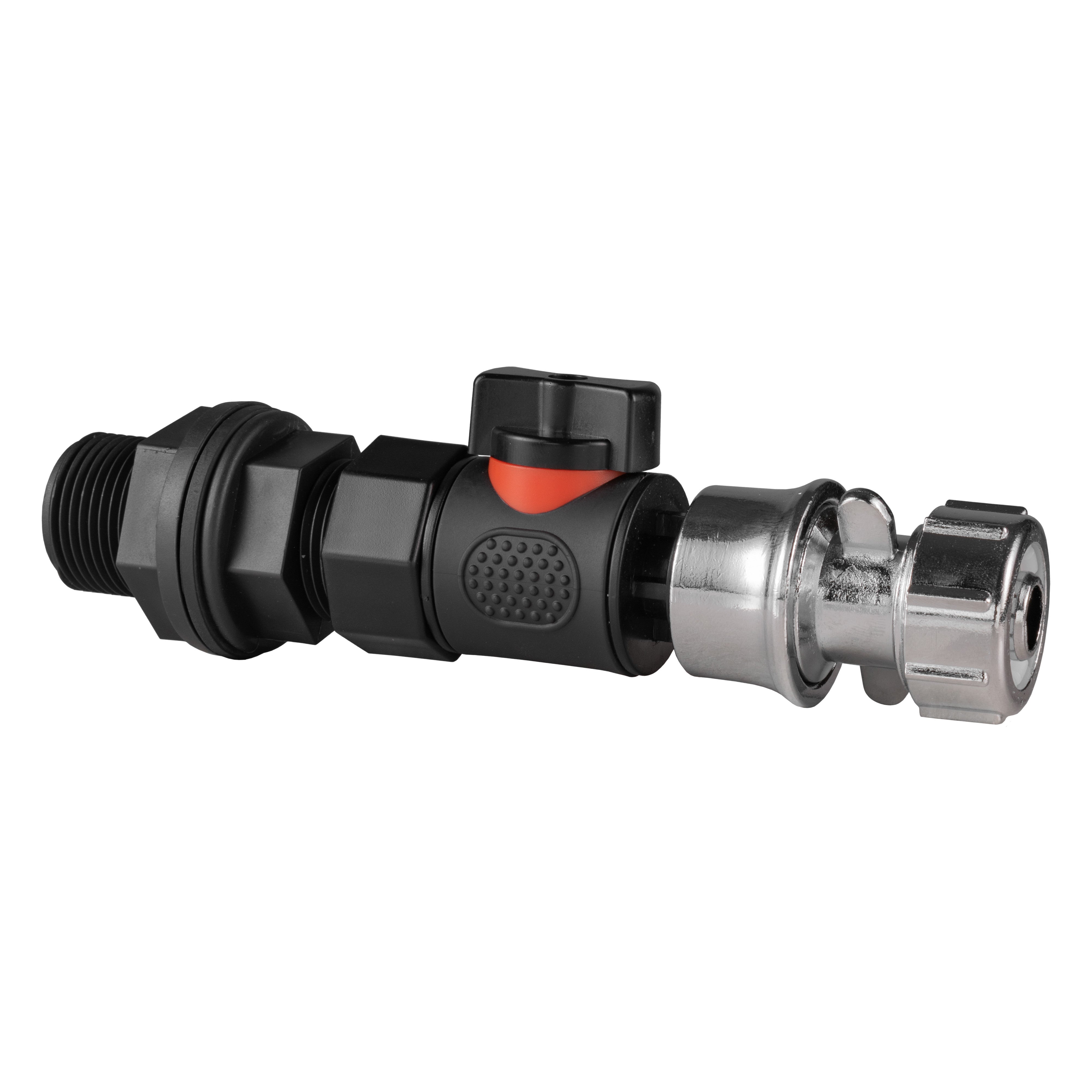
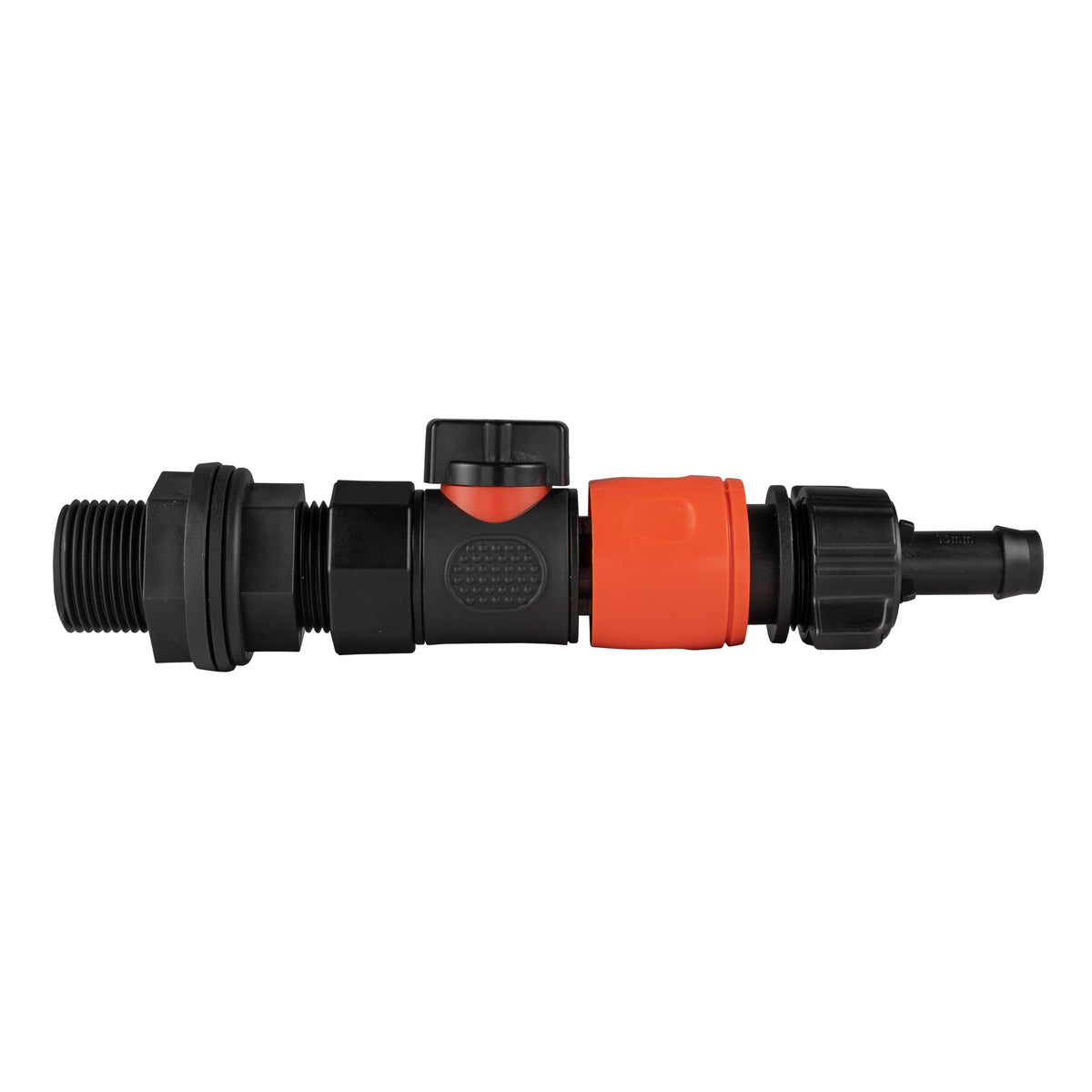
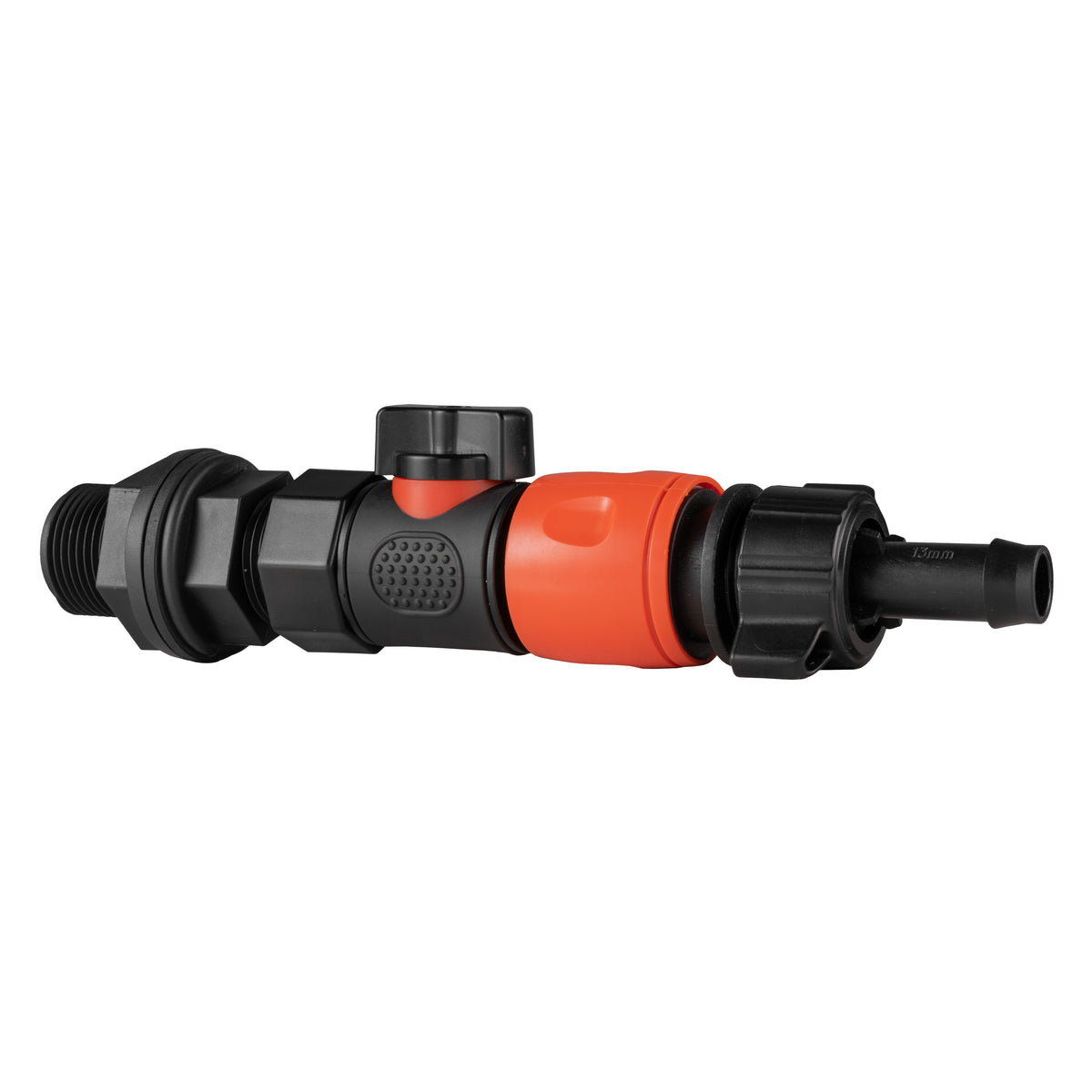
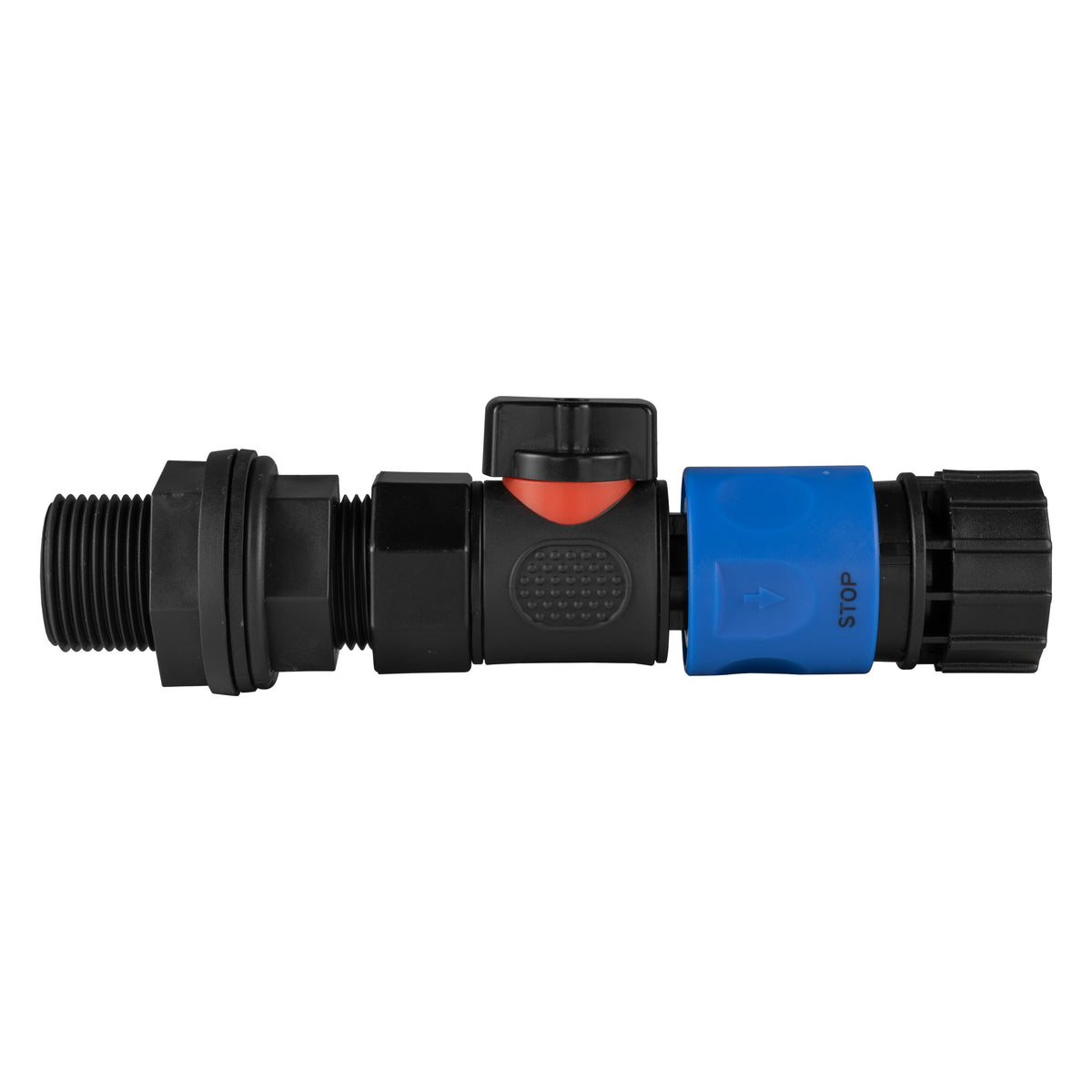
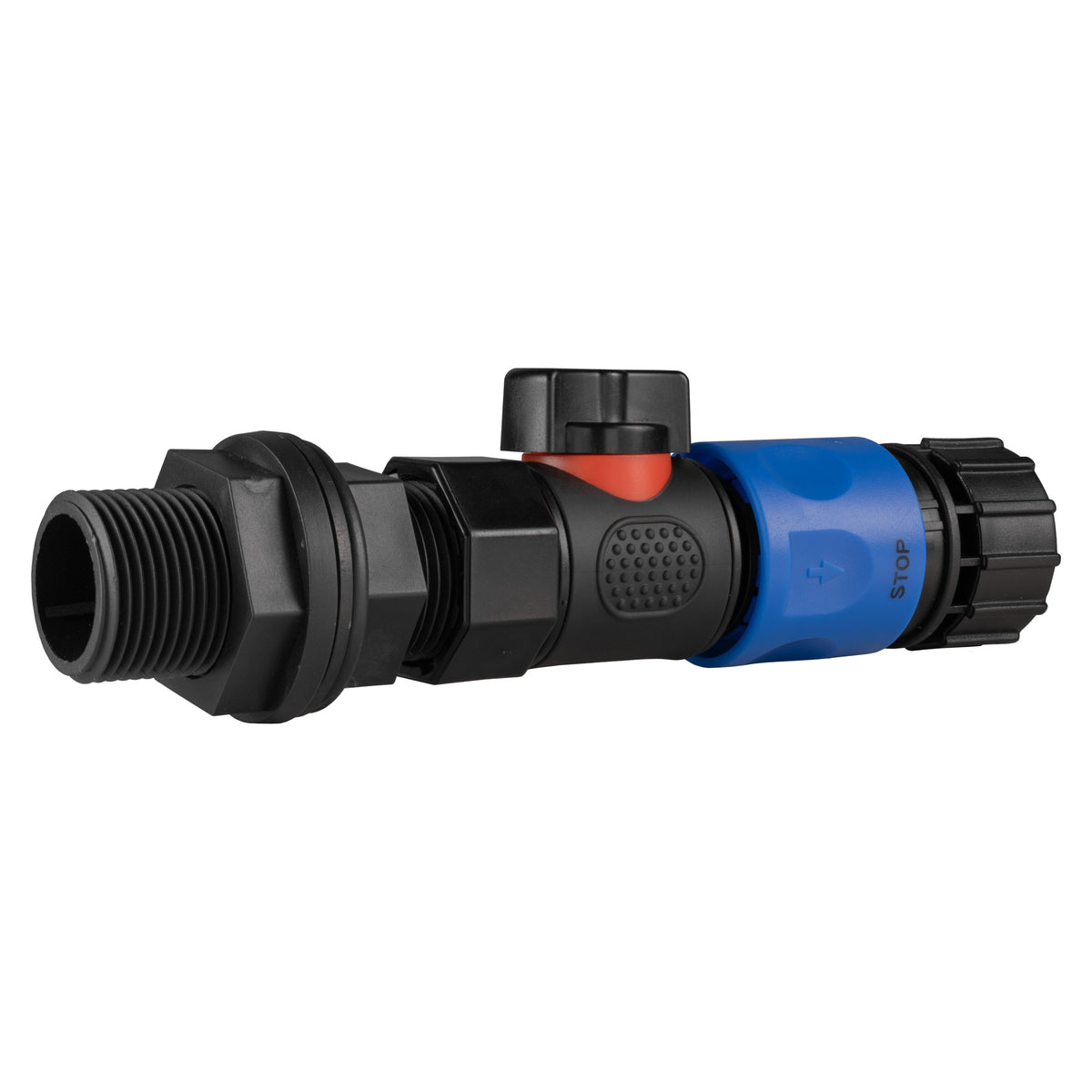
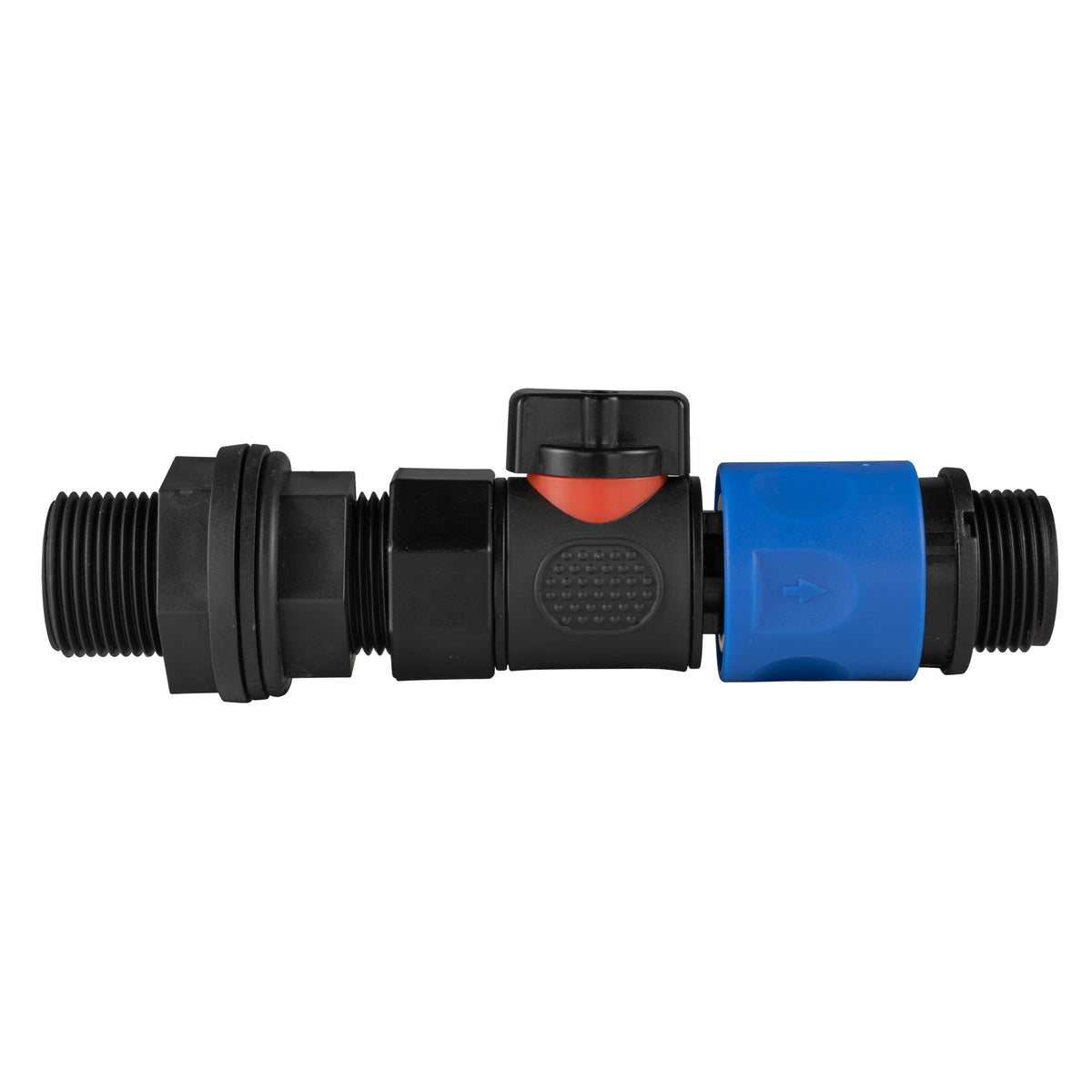
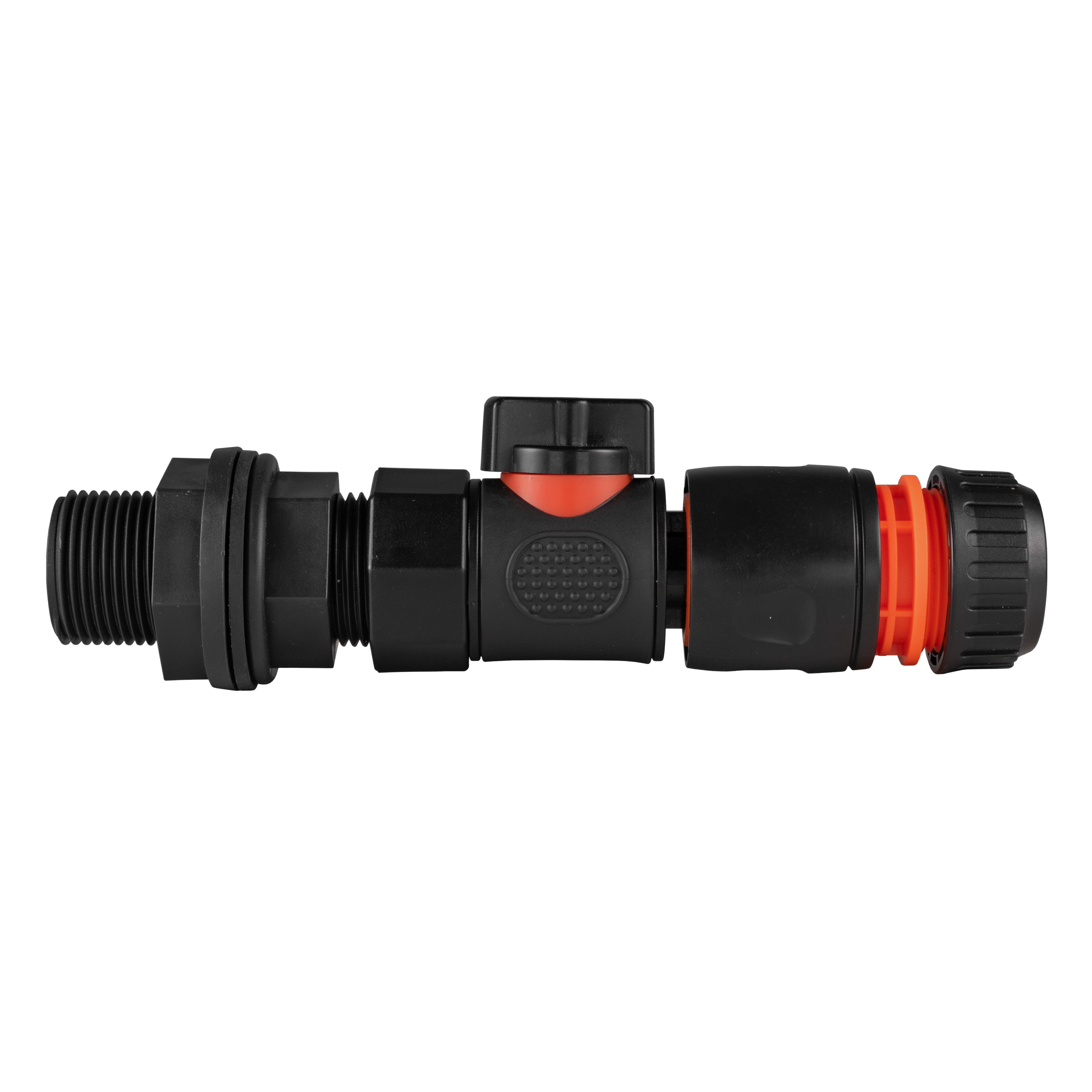
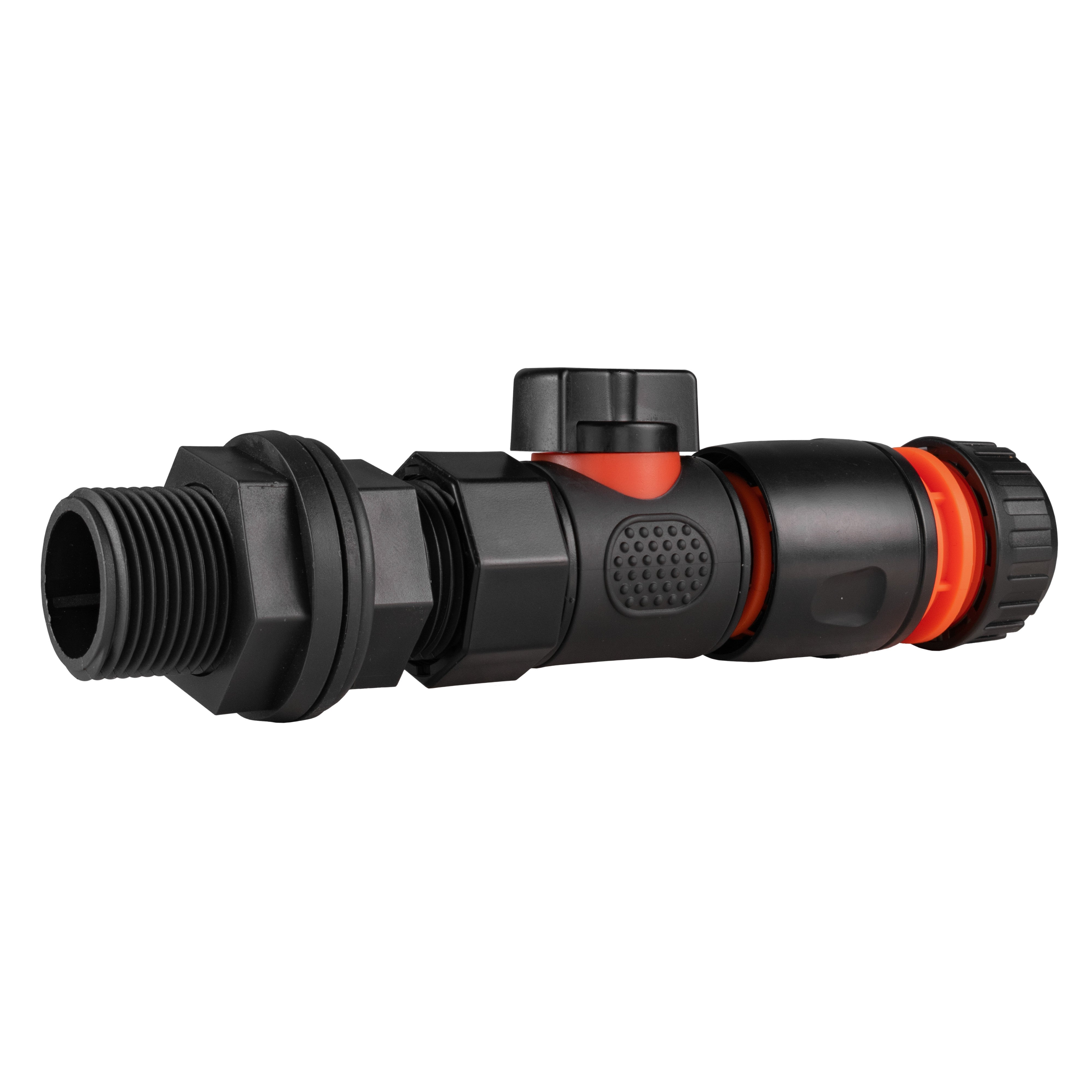
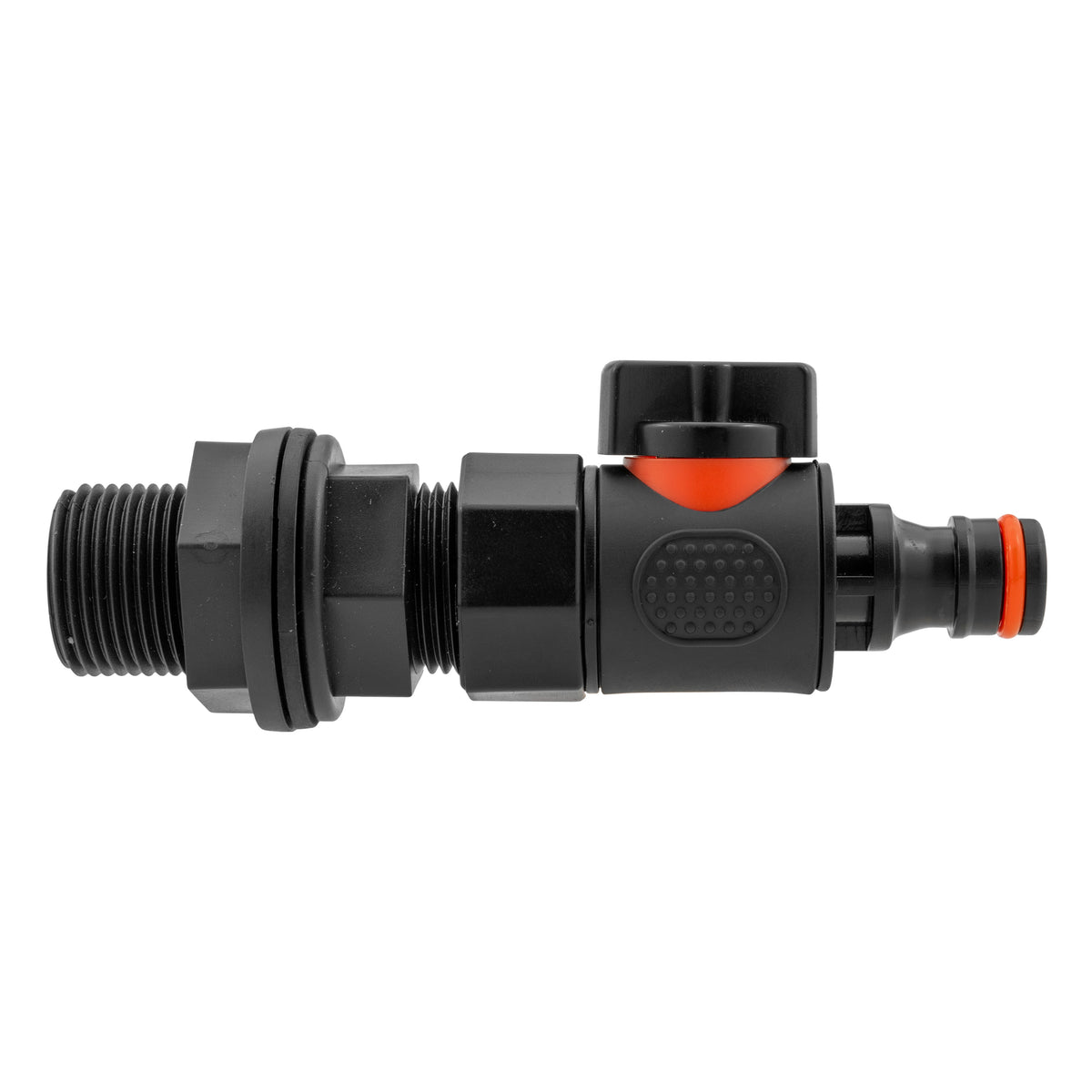
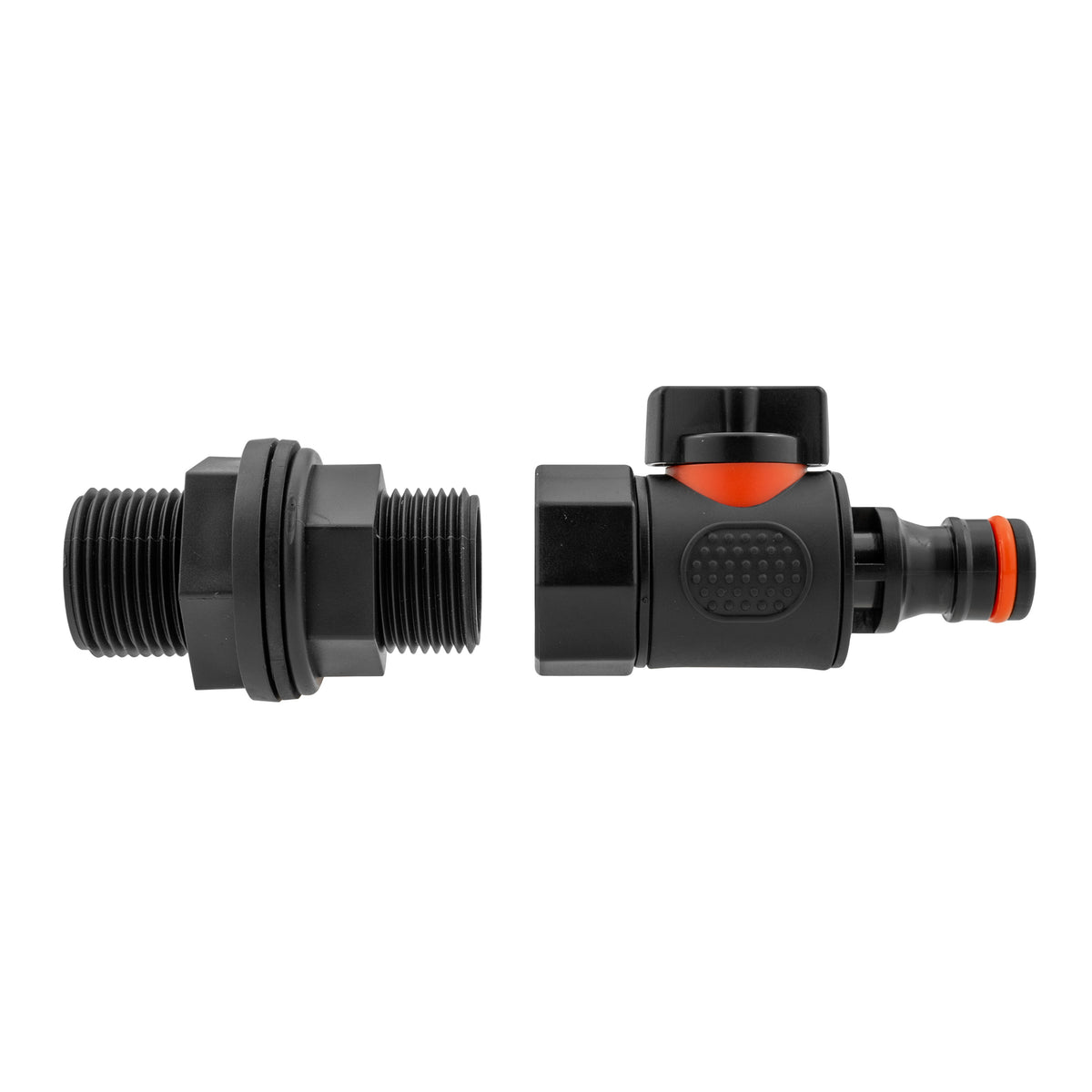
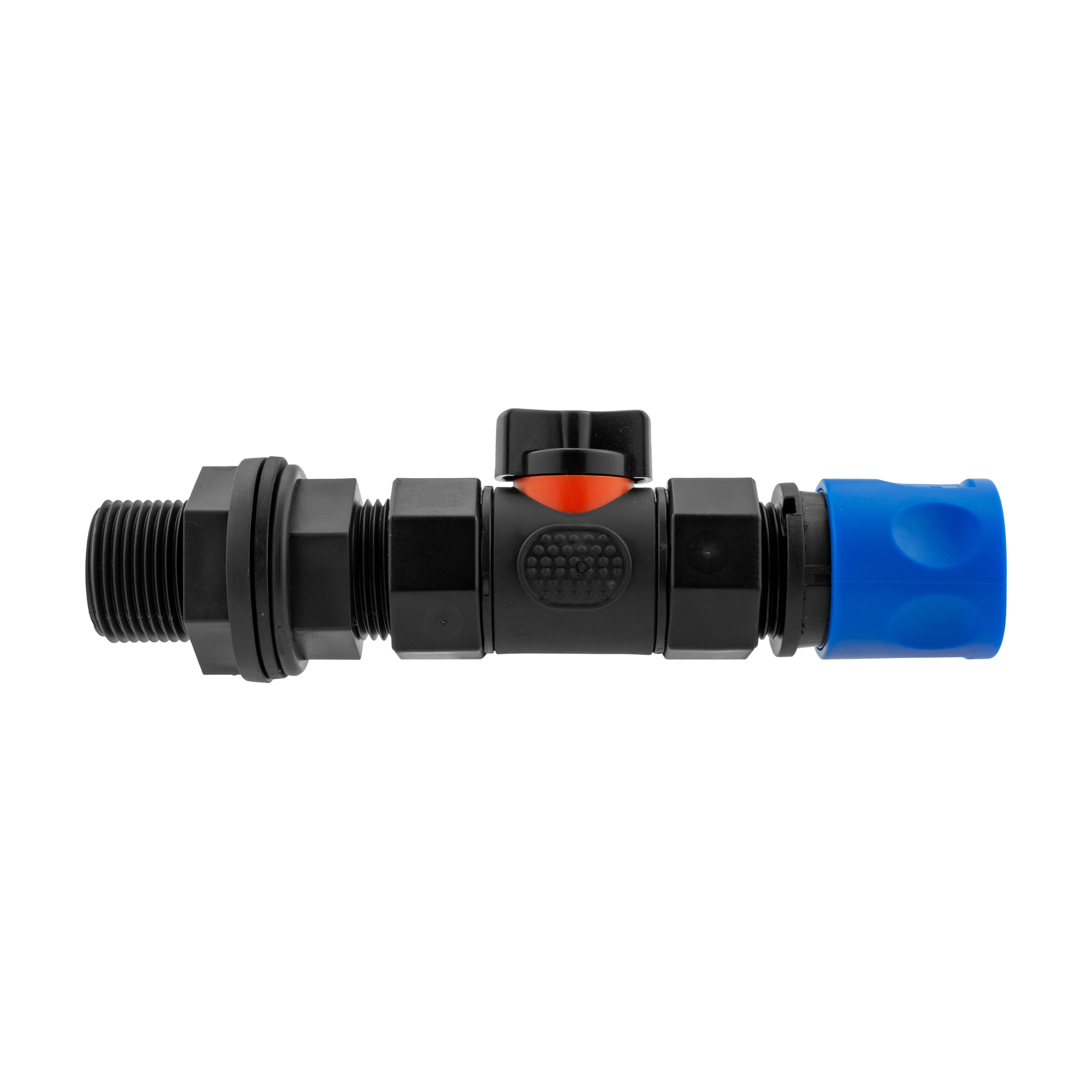
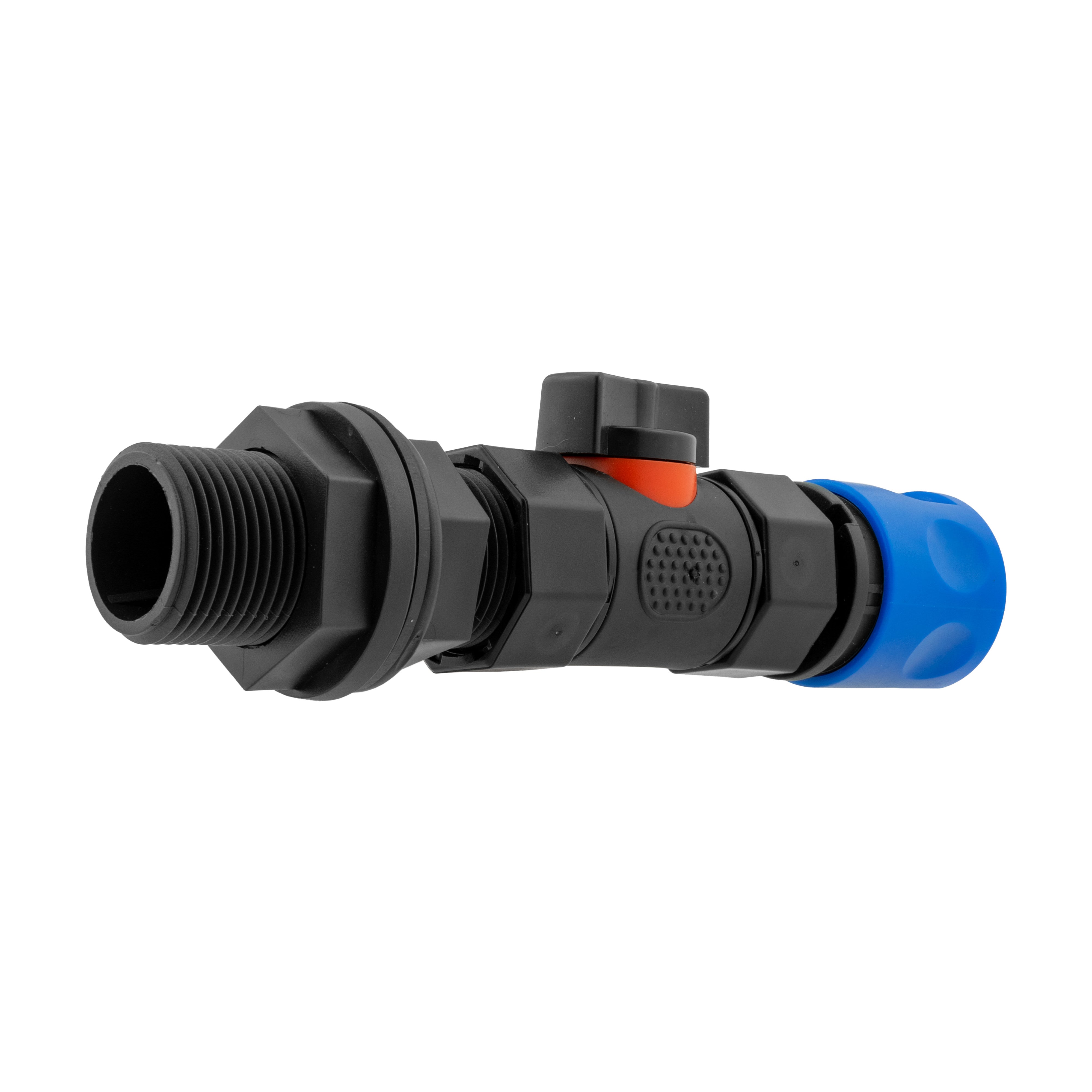
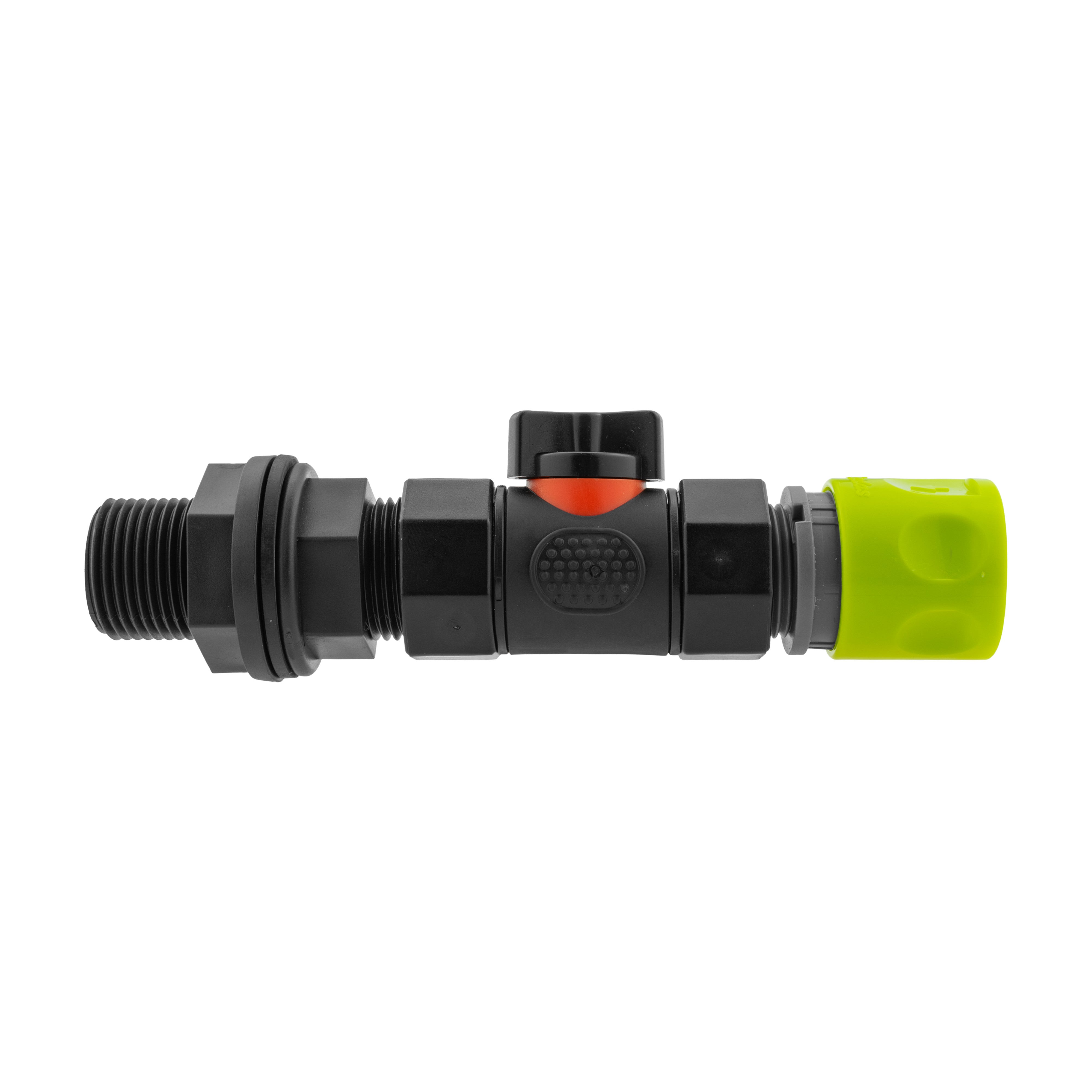
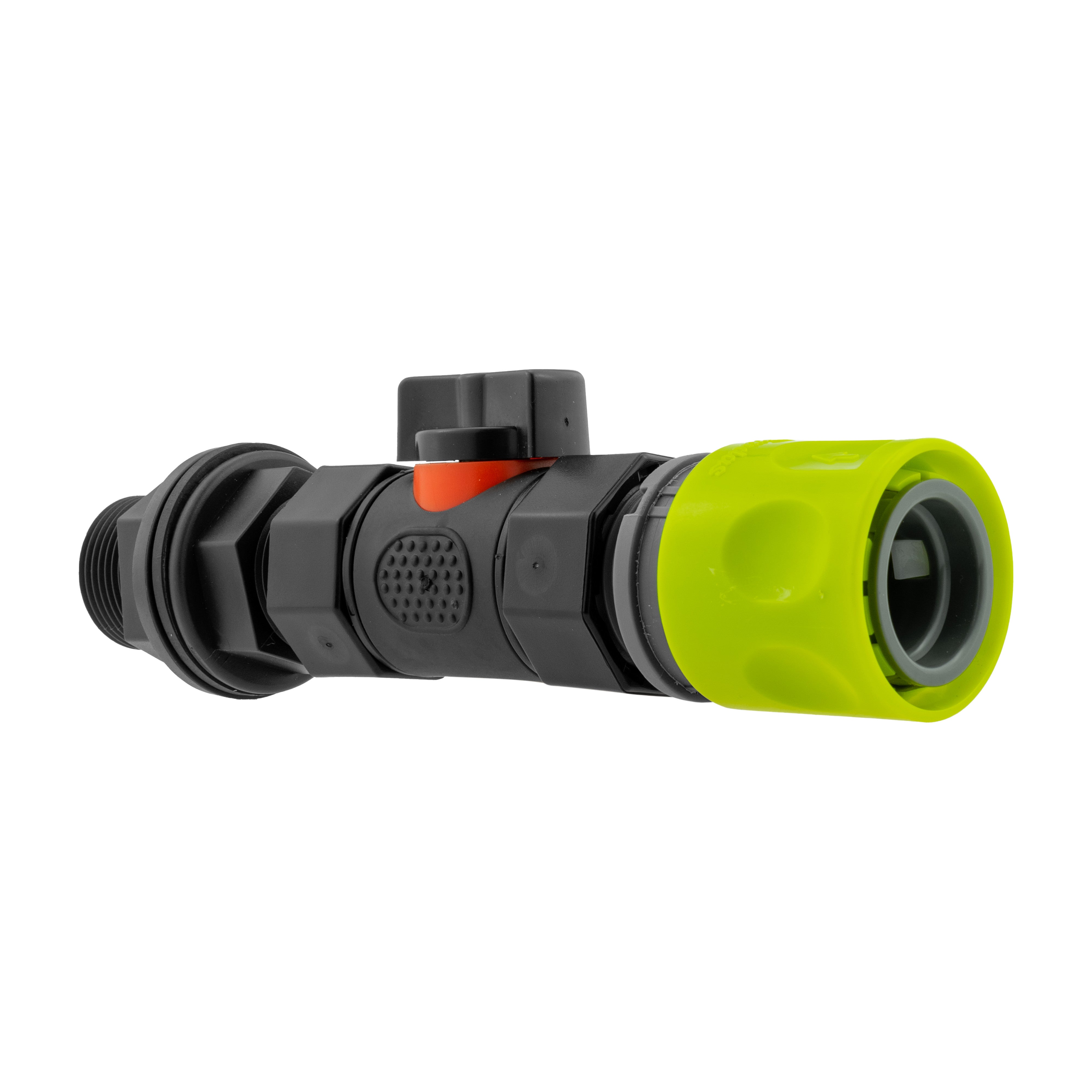
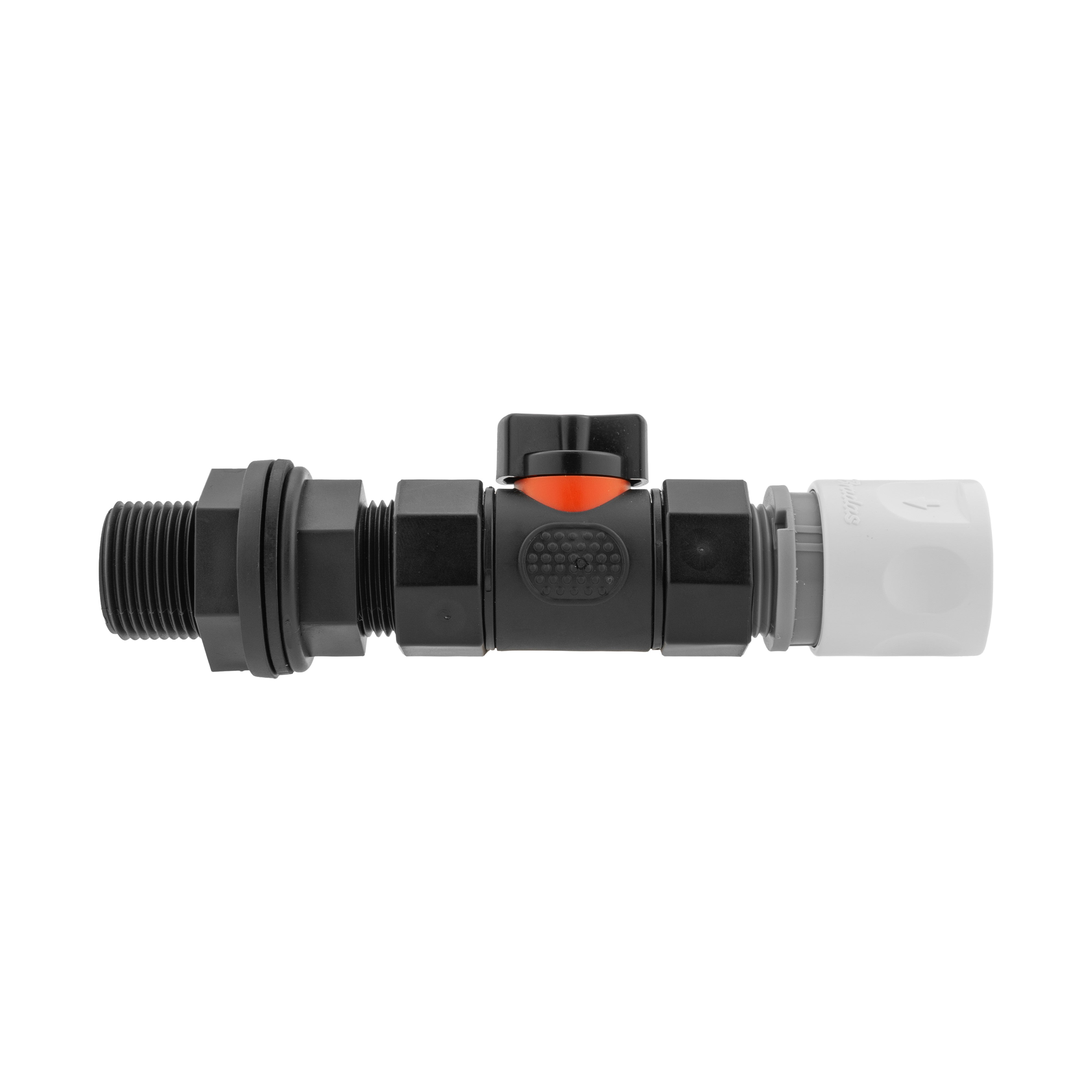
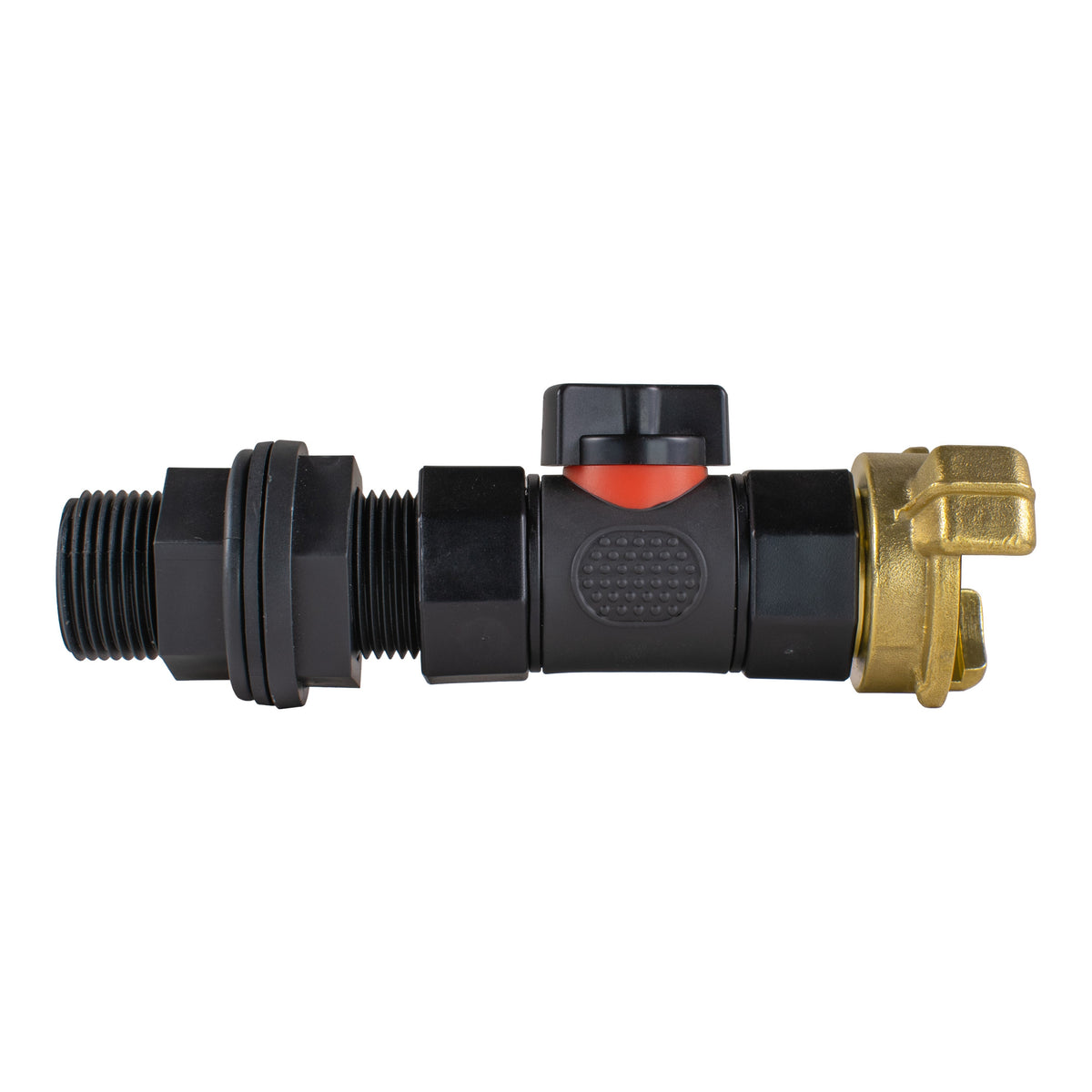
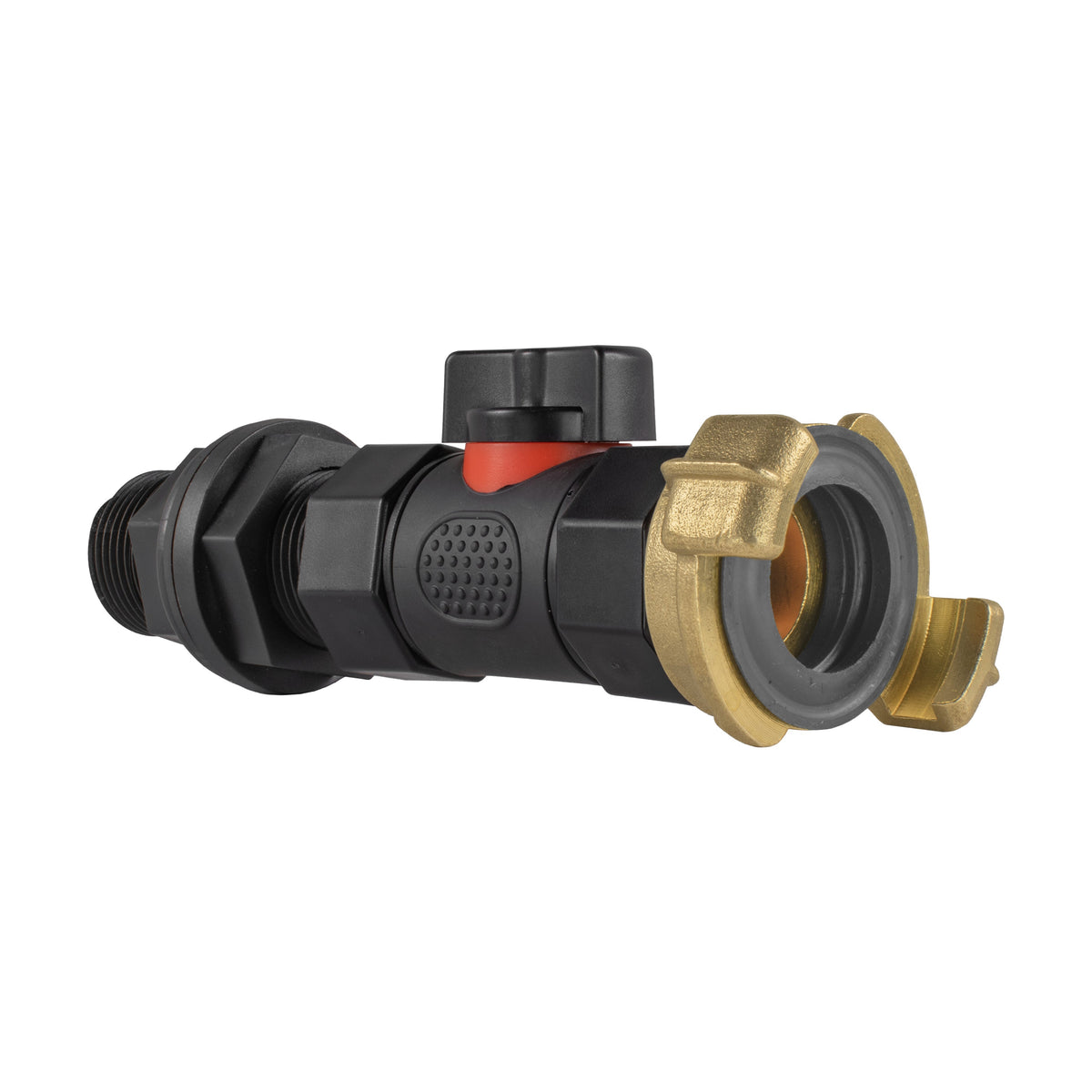
The ¾-inch BSP Water Butt Fitting with Valve and Quick Connect Outlet combines a tank fitting, a valve-equipped female connector and a snap-on joiner. The valve allows the water to be turned on and off manually, while the quick connection makes it easier to attach or remove a hose without tools.
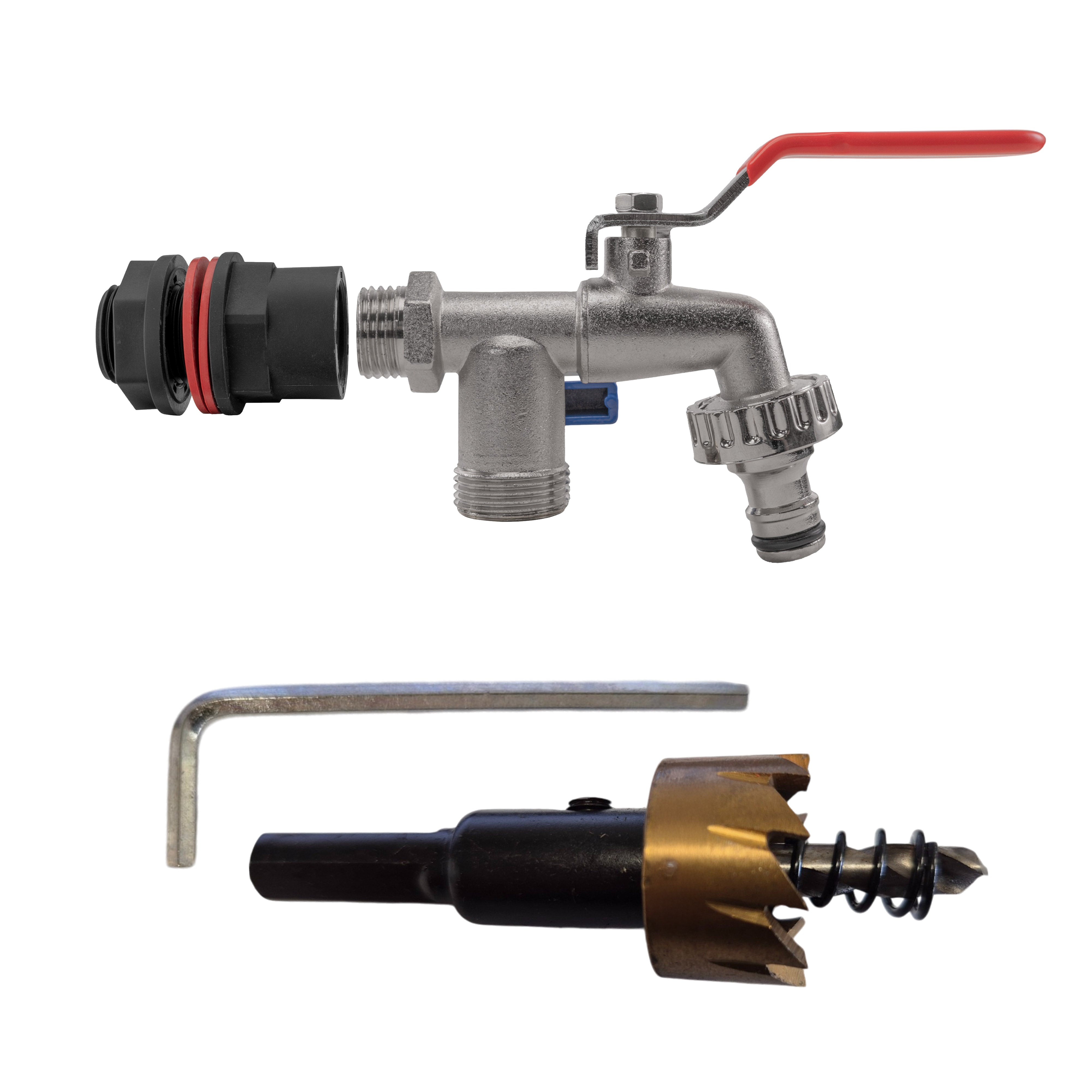
Another option combines a ¾-inch BSP tank connector with a two-way valved splitter. Each outlet can be controlled separately, allowing two hoses or accessories to be connected to the same water source. This can be useful when, for example, one outlet feeds a garden hose while another is reserved for a watering system.
Remember that water stored in a butt is normally gravity fed. The flow you receive through a hose depends on factors such as the height of the water level, the position of the outlet, hose length and diameter, and any restrictions created by fittings. A water butt placed higher on a suitable stand can provide more gravity head, but always follow the capacity and maximum weight limits of the stand itself.
Connect a water butt to irrigation pipe
Collected rainwater can also form part of a garden irrigation system, provided the pressure and flow are suitable for the equipment being used.
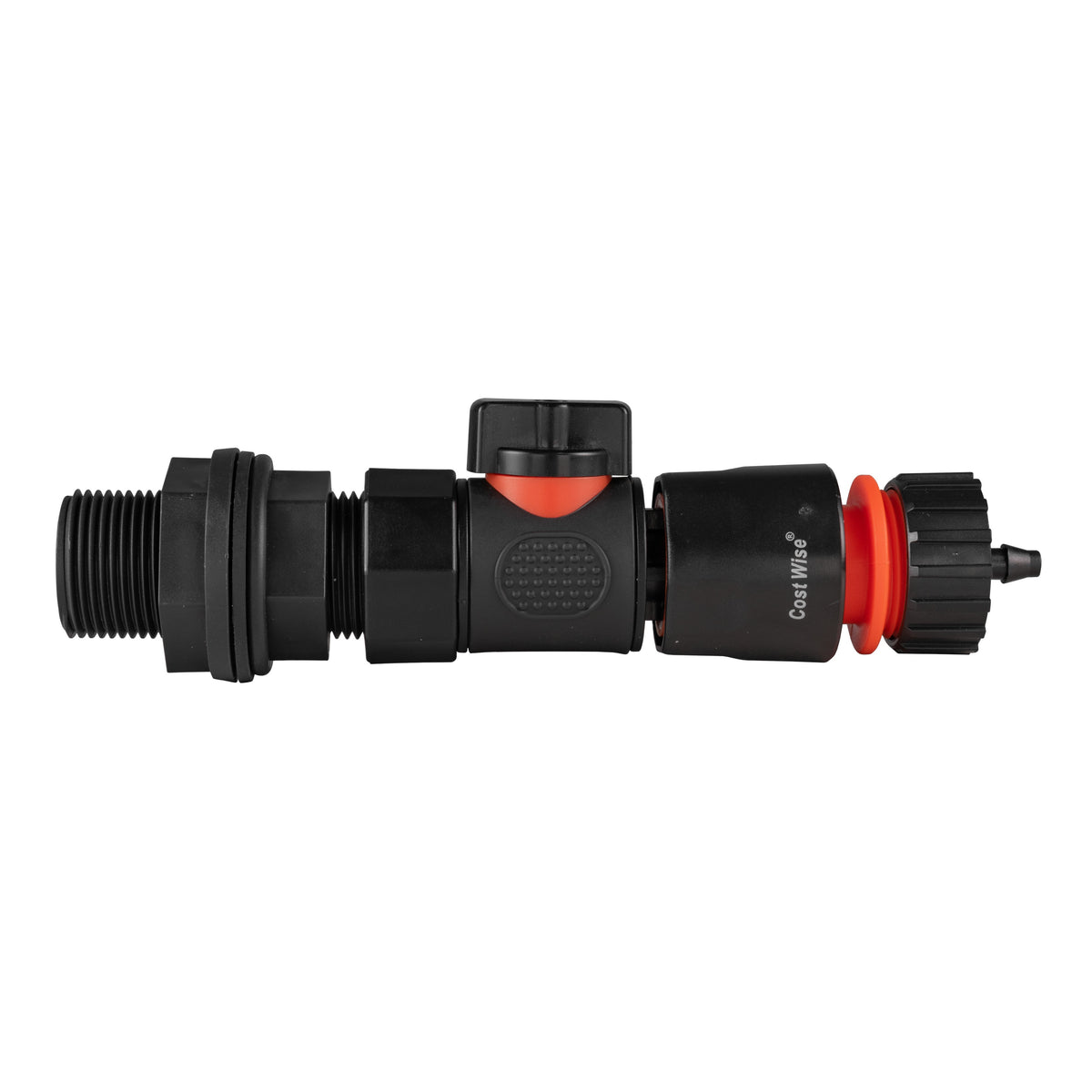
Picraft offers a ¾-inch BSP water butt fitting that reduces to a 4 mm micro barb. The adaptor provides a direct transition from the tank outlet to 4 mm micro tubing, allowing water to be distributed towards garden beds, vegetable areas or other suitable low-flow irrigation applications.
For larger pipework, the collection includes fittings that connect water butts to MDPE pipe. A current 1-inch BSP kit combines a tank connector, a full-flow polypropylene valve and a 32 mm MDPE compression fitting. The valve gives direct control over the outlet while the compression component creates the transition to the larger pipe.
Similar fittings are shown in the collection for 20 mm, 25 mm and 32 mm MDPE connections, making it possible to choose a size that suits the rest of the system.
Before connecting irrigation equipment, check whether it requires a minimum pressure. A gravity-fed water butt may not operate every type of sprinkler, dripper or irrigation accessory in the same way as a mains tap.
Choose the correct fitting size
Size is one of the most important details when choosing water butt connectors. A fitting may look suitable in a product image but still have the wrong thread or pipe diameter for your container.
Picraft’s collection includes several common BSP thread sizes. Before ordering, identify whether your existing outlet has a male or female thread and check its size. Also confirm the diameter of any hose or pipe you plan to attach.
For example, a ¾-inch BSP tank fitting does not automatically fit a 1-inch threaded opening, while a connector for 4 mm micro tubing serves a very different purpose from a 32 mm MDPE outlet.
Read the full product description and size options rather than relying on the title or image alone. Where multiple variants are available, check that the selected option matches the rest of your system before adding it to your basket.
Creating a new outlet in a water butt
Some water butts already have threaded outlets. Others require a new hole to be created before the connector can be installed.
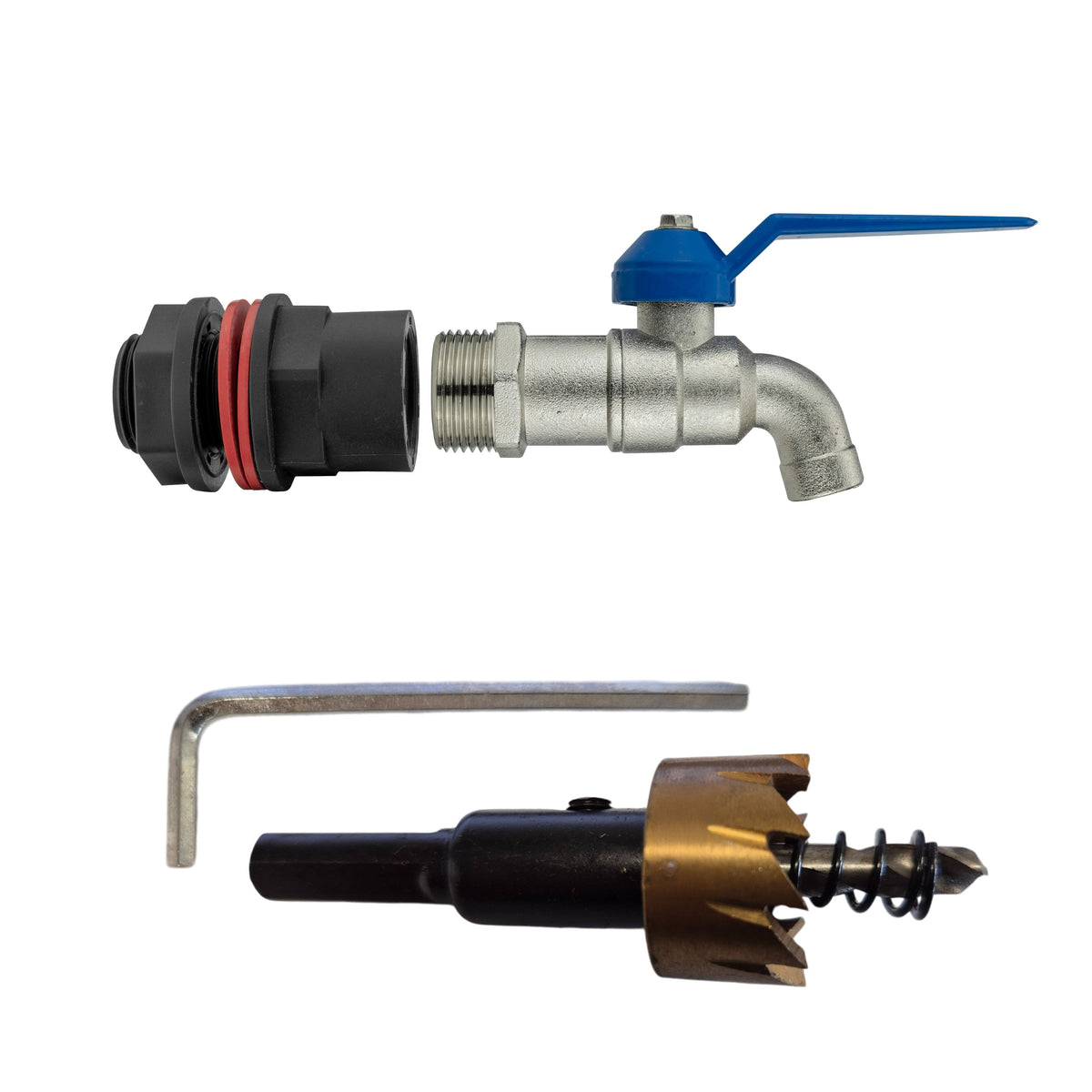
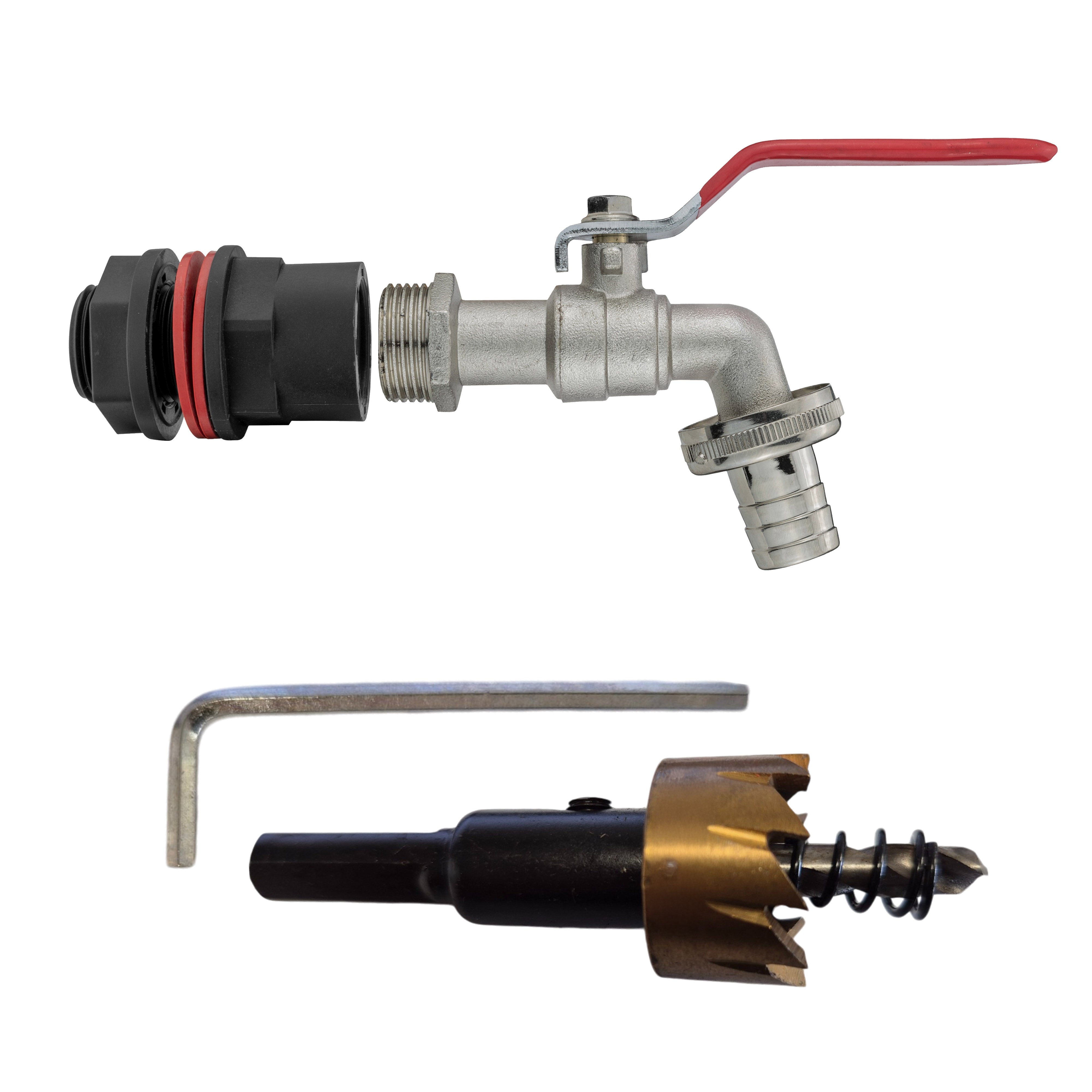
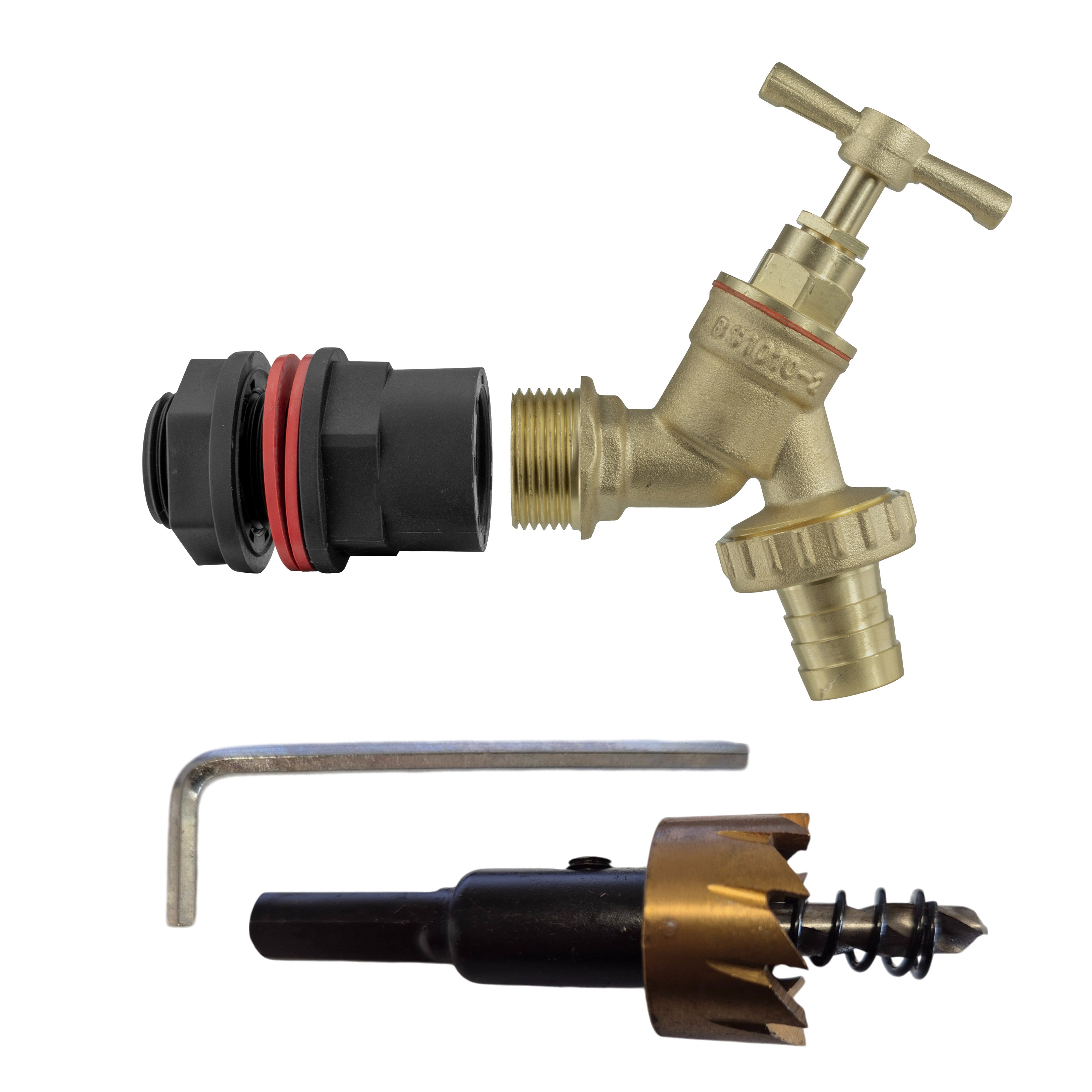
Picraft sells a ½-inch BSPM tank connector kit with a matching 21 mm HSS hole saw. The kit includes the connector, washer, and nut required to secure the fitting through the wall of the tank.
If you need to cut a new opening, mark the position carefully and check that there is enough flat surface around it for the washer and nut to seal correctly. Ensure you can reach the inside of the container if the fitting requires a back nut.
The seals and washers should sit flat against the wall. Tighten the fitting sufficiently to create a secure seal, but avoid excessive force that could damage or distort a plastic water butt. Always follow the installation instructions supplied with the specific product.
Use connectors as part of a rainwater harvesting system
Water butt connectors deal with storage and onward distribution of collected water. Rainwater normally enters a water butt from a roof drainage system, often through a rainwater diverter connected to a downpipe.
If you already use a rainwater diverter, check its outlet size and connection method before selecting any additional hose or pipe. The diverter, filter, water butt and outlet fittings need to work together as one system.
The current Picraft Water Butt Connectors collection focuses primarily on fittings for the tank and water outlet rather than presenting a specific rainwater diverter among the leading products. This distinction matters when planning a completely new system.
Keep the collection system clean as well. Leaves and other debris entering from the roof can eventually affect taps, valves and smaller irrigation outlets. Where your rainwater harvesting design includes a filter, inspect and clean it periodically so that water can continue to flow freely.
At the end of the season, check hoses, seals, and connectors for damage. Replace components that leak or have become brittle rather than allowing a small fault to waste collected water.
Build the setup that suits your garden
There is no single perfect water butt arrangement for every garden. A compact container beside a wall may only need a tap or quick hose outlet, while a larger installation may connect several tanks and supply irrigation lines across the garden.
Start by deciding what you want to achieve. If you need greater storage capacity, a linking kit can join two water butts. If you want easy access to stored water, choose an appropriate tap or quick-connect outlet. For a more permanent distribution system, an MDPE connection or micro-irrigation adaptor may be more suitable.
Picraft’s broad selection of water butt connectors, hose fittings, valves and linking accessories makes it possible to create a system around the container, pipe size and garden layout you already have.
FAQ
Can I connect two water butts together?
Yes. Picraft sells a 32 mm Water Butt Linking Kit designed to connect water storage tanks. It includes corrugated pipe, two straight barb fittings, washers, nuts and double-wire clips, with pipe lengths available from 1 m to 30 m.
Can I connect a garden hose to a water butt?
Yes. Picraft stocks water butt kits with quick-connect hose fittings. Options include ½-inch and ¾-inch BSP connections, with selected kits designed for ½-inch garden hose.
Does Picraft sell water butt connectors with valves?
Yes. The range includes fittings with individual flow-control valves as well as a two-way valved splitter that allows two hose connections to be controlled independently.
Can a water butt be connected to irrigation tubing?
Yes. Picraft stocks a ¾-inch BSP water butt fitting with a 4 mm micro barb for micro-irrigation tubing, as well as larger fittings for MDPE pipe.
Do I need to drill a hole to install a water butt connector?
Not always. Some fittings can screw into an existing compatible threaded outlet. If the container has no suitable opening, selected connectors can be installed through a drilled hole and secured with a washer and back nut. Picraft also sells a ½-inch connector kit with a 21 mm hole saw.